As residents of Toronto, we understand the unique challenges posed by urban pest populations. Our city, with its dense housing, diverse ecosystems, and fluctuating climate, provides an ideal environment for a multitude of insects, rodents, and other unwelcome guests. This article aims to provide a comprehensive overview of effective pest control solutions available to us, emphasizing integrated pest management (IPM) strategies and outlining the steps we can take to protect our homes and businesses. We will delve into factual approaches, examining the biological and environmental factors that contribute to pest infestations and exploring the most viable interventions.
Before we can effectively combat pests, we must first understand who our adversaries are and what makes our urban environment so appealing to them. Toronto’s diverse geography, from the ravines and parks to high-rise developments, creates a tapestry of habitats where various pest species thrive.
Common Toronto Pests: An Overview
Our collective experience teaches us that certain pests are perennial concerns. These include:
- Ants (Formicidae): Often found in kitchens and bathrooms, searching for food and moisture. Species like the pavement ant (Tetramorium caespitum) and the carpenter ant (Camponotus pennsylvanicus) are particularly prevalent. Carpenter ants, in particular, can cause structural damage to wood.
- Cockroaches (Blattodea): German cockroaches (Blattella germanica) are a significant urban nuisance, favoring warm, moist environments like those found in multi-unit dwellings. They are known vectors for various pathogens.
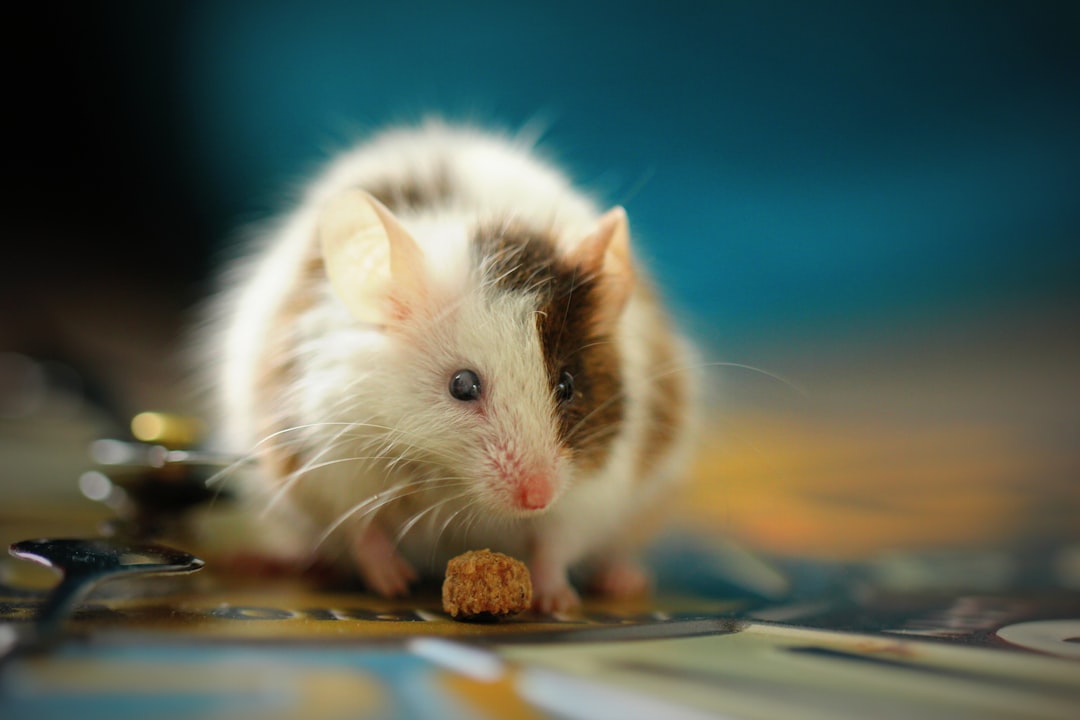
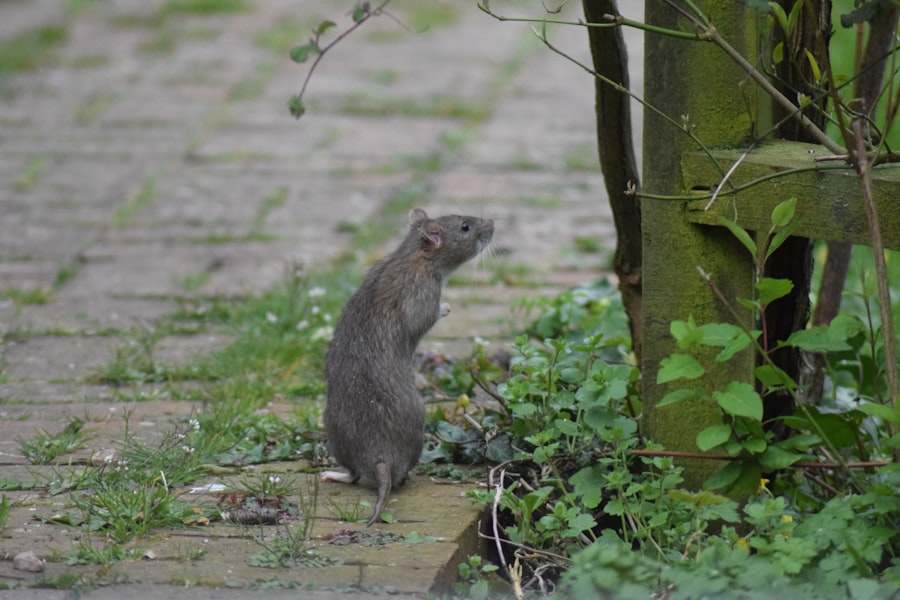
- Mice and Rats (Rodentia): House mice (Mus musculus) and Norway rats (Rattus norvegicus) are highly adaptable, seeking shelter and food within our buildings. They pose health risks and can cause significant property damage by gnawing on wires and structures.
- Bed Bugs (Cimicidae): Cimex lectularius has seen a resurgence in recent decades. These nocturnal feeders are notoriously difficult to eradicate and thrive in high-traffic areas like hotels and multi-unit residences.
- Spiders (Araneae): While most spiders in Toronto are harmless, some, like the brown recluse (Loxosceles reclusa) or black widow (Latrodectus mactans), can deliver venomous bites, though encounters with dangerous species are rare.
- Wasps and Bees (Hymenoptera): While bees are vital pollinators, nests built too close to human activity can pose a sting risk. Wasps, particularly yellow jackets (Vespula spp.), are often aggressive scavengers around outdoor food sources.
- Mosquitoes (Culicidae): Breeding in stagnant water sources, mosquitoes are not just an annoyance but also vectors for diseases such as West Nile virus.
- Fleas (Siphonaptera): Primarily affecting pets, fleas can jump to humans and cause irritating bites. Their presence often indicates a need for pet treatment and home sanitation.
Environmental Factors Contributing to Infestations
Toronto’s climate and urban infrastructure play significant roles in supporting pest populations. We see:
- Seasonal Changes: Our harsh winters often drive pests indoors seeking warmth and shelter. Conversely, warm, humid summers accelerate breeding cycles for many insects.
- Urban Density: Densely packed buildings, shared walls, and interconnected utility lines provide effortless pathways for pests to travel between units and properties.
- Food Waste Management: Inadequate waste disposal practices, such as overflowing bins or improperly sealed garbage, offer abundant food sources for rodents and insects.
- Vegetation and Green Spaces: While essential for urban ecology, parks, gardens, and overgrown vegetation can provide harborage and breeding grounds for various pests, including mosquitoes and some rodent species.
- Building Age and Maintenance: Older buildings, prevalent in many Toronto neighborhoods, often have cracks, gaps, and structural vulnerabilities that serve as entry points and hidden breeding grounds for pests.
Integrated Pest Management (IPM): Our Foundational Strategy
At the core of effective pest control lies Integrated Pest Management (IPM). This is not a single pest control solution but a comprehensive, common-sense approach that focuses on long-term prevention of pests, their damage, and their effects through a combination of techniques. It is a more sustainable and environmentally conscious method compared to traditional, chemical-heavy approaches.
Pillars of IPM
Our adoption of IPM is rooted in several key principles:
- Identification and Monitoring: We emphasize accurate pest identification. Knowing precisely what pest we are dealing with allows for targeted intervention. Regular monitoring, through trap placement or visual inspections, helps us detect pest presence early, track population levels, and determine the efficacy of our control measures. This is like a surveillance system for our homes, always on watch.
- Prevention: The most effective pest control is often preventative. This involves sealing entry points, eliminating food and water sources, reducing clutter, and improving sanitation. We aim to make our environments inhospitable to pests.
- Non-Chemical Controls: When prevention isn’t enough, our next step involves non-chemical tactics. These can include physical removal, trapping, heat treatments (for bed bugs), or modifying the environment (e.g., improving drainage to reduce mosquito breeding).
- Judicious Use of Pesticides: Chemical pesticides are considered a last resort in IPM, to be used only when absolutely necessary and in targeted applications. When used, we opt for the least toxic and most specific pesticides available, applied at appropriate times and in minimal quantities to minimize environmental impact and potential harm to non-target organisms.
- Education and Communication: Empowering ourselves with knowledge about pest biology and control methods is crucial. We must communicate findings and strategies with co-inhabitants or building management to ensure a collective, sustained effort.
Benefits of an IPM Approach
Adopting IPM yields tangible benefits for us:
- Environmental Protection: Reduced reliance on broad-spectrum pesticides minimizes harm to beneficial insects, wildlife, and ecosystems.
- Reduced Health Risks: Fewer pesticides in our homes and environments mean less exposure for humans and pets.
- Long-Term Effectiveness: IPM addresses the root causes of infestations, leading to more sustainable pest solutions. We aim to break the cycle, not just treat the symptoms.
- Cost Efficiency: While initial prevention efforts might require investment, long-term costs often decrease due to fewer recurring infestations and less damage.
Proactive Measures: Securing Our Homes and Businesses
Prevention is our primary defense against pest infestations. By implementing a series of proactive measures, we can significantly reduce the likelihood of pests taking root in our spaces. Think of it as building a fortress against tiny invaders.
Sealing Entry Points and Structural Integrity
Our buildings are not impenetrable. Pests, particularly rodents and insects, require only tiny openings to gain entry.
- Caulking and Sealing: We must regularly inspect and seal cracks and holes in foundations, walls, and utility penetrations. Even small gaps around pipes or wires can serve as entry points for mice, ants, and cockroaches.
- Repairing Screens and Doors: Torn window screens and poorly sealing doors are invitations for flying insects and even rodents. Ensuring tight fits and functional screens is a simple yet effective barrier.
- Roof and Foundation Maintenance: Damaged roof shingles, loose flashing, or cracks in the foundation can allow pests access to attics, basements, and wall voids. Regular inspection and repair are paramount. We must also ensure proper drainage away from foundations to prevent moisture build-up that attracts many pests.
- Chimney Caps: Installing wire mesh caps on chimneys prevents birds, squirrels, and raccoons from nesting inside.
Sanitation and Waste Management
Pests are constantly searching for food, water, and shelter. By eliminating these resources, we make our homes less appealing.
- Proper Food Storage: All food items, including pet food, should be stored in airtight containers. Spills and crumbs must be cleaned immediately.
- Regular Cleaning: Frequent vacuuming, sweeping, and mopping remove food debris, pet dander, and insect eggs. Pay special attention to hidden areas like under appliances and behind furniture.
- Waste Disposal: Our garbage must be stored in secure, lidded bins, both indoors and outdoors. Regular emptying, especially of kitchen waste, is crucial. Outdoor bins should be placed away from the building and cleaned periodically.
- Clutter Reduction: Pests thrive in clutter, as it provides hiding spots and breeding grounds. Reducing clutter in basements, attics, and storage areas makes these spaces less hospitable.
- Pet Waste: Pet waste should be removed promptly, especially in yards, as it attracts flies and other pests.
Controlling Moisture and Humidity
Water is a life source for all living things, including pests. Many common urban pests, such as cockroaches, silverfish, and carpenter ants, are drawn to damp environments.
- Fixing Leaks: We must promptly repair leaky pipes, faucets, and roofs. Even minor leaks can create ideal breeding conditions.
- Ventilation: Ensuring proper ventilation in bathrooms, kitchens, and basements reduces humidity levels. Dehumidifiers can be effective in damp areas.
- Exterior Drainage: Gutters and downspouts should be clear and direct water away from the foundation of our buildings. Standing water in yards, pet bowls, or neglected birdbaths creates prime mosquito breeding sites.
Targeted Interventions for Specific Pest Challenges
While prevention is our first line of defense, sometimes infestations occur despite our best efforts. In such cases, targeted interventions become necessary. Here, we delve into specific strategies for some of Toronto’s most persistent pests.
Rodent Control: Mice and Rats
Dealing with rodents requires a multi-pronged approach due to their rapid breeding and intelligence.
- Exclusion: As discussed, sealing all entry points is paramount. We must think like a rodent, evaluating even the smallest gaps.
- Trapping: Snap traps, glue traps (used judiciously due to potential for inhumane capture), and live traps can be effective. Traps should be placed along walls where rodents travel, and bait should be rotated to prevent “bait shyness.”
- Bait Stations (Rodenticides): If infestations are severe, rodenticides may be used, but always in tamper-resistant bait stations to protect children and pets. Placement should be strategic, away from direct human or pet interaction, and monitoring is essential.
- Sanitation: Eliminating food sources and proper waste management are critical in preventing future infestations.
Insect Control: Cockroaches, Ants, and Bed Bugs
These insects present distinct challenges and require specialized treatment.
- Cockroaches:
- Sanitation: Absolute cleanliness is the cornerstone of cockroach control.
- Baits: Gel baits containing insecticides are highly effective. They are consumed by cockroaches, which then carry the poison back to the nest.
- Insecticide Dusts: Applied to cracks and crevices, these provide long-term residual control, especially in wall voids.
- Growth Regulators: These chemicals disrupt the cockroach life cycle, preventing nymphs from maturing or sterilizing adults.
- Ants:
- Identification: Knowing the ant species (e.g., pavement ant vs. carpenter ant) is vital for effective treatment.
- Baits: Ant baits (liquid or gel) are excellent for many species. Ants carry the bait back to the colony, eliminating the queen and other workers.
- Barrier Sprays: Non-repellent insecticides can be applied as a perimeter treatment for outdoor ants, but are used sparingly.
- Carpenter Ants: May require drilling into infested wood and injecting insecticides.
- Bed Bugs: These are among the most challenging pests.
- Integrated Approach: Successful bed bug eradication almost always involves a combination of methods.
- Heat Treatments: Professional heat treatments, where rooms are heated to lethal temperatures, are highly effective but costly.
- Vapor or Steam Treatments: Can kill bed bugs and eggs on contact in mattresses, furniture, and along baseboards.
- Encasements: Mattress and box spring encasements trap existing bed bugs and prevent new ones from infesting.
- Vacuuming: Thorough vacuuming, especially in cracks and crevices, can remove many bed bugs and eggs.
- Insecticides: Targeted application of professional-grade insecticides to cracks, crevices, and other harborage areas. Repeat treatments are often required.
Seeking Professional Assistance: When and Why
| Metric | Value | Notes |
|---|---|---|
| Common Pests | Bed Bugs, Cockroaches, Ants, Rodents, Spiders | Most frequent pest issues reported in Toronto homes |
| Average Treatment Cost | 150 – 400 | Cost range for typical residential pest control service |
| Response Time | 24 – 48 hours | Average time for pest control companies to respond |
| Seasonal Peak | Spring and Summer | Highest pest activity and service demand |
| Number of Licensed Companies | 50+ | Estimated number of pest control businesses in Toronto |
| Eco-Friendly Options | Available | Many companies offer green pest control solutions |
| Customer Satisfaction Rate | 85% | Average satisfaction based on reviews and surveys |
While many pest issues can be managed with DIY methods and diligent prevention, there are times when professional expertise becomes indispensable. Recognizing these situations is crucial for effective and safe pest control.
Indicators for Professional Intervention
We should consider calling in the experts when:
- Persistent Infestations: Despite our best efforts, the pest problem continues or worsens. This often signals a deeply entrenched issue or an overlooked source.
- Difficult-to-Identify Pests: If we are unsure what pest we are dealing with, a professional can provide accurate identification, which is the first step to effective treatment.
- Hazardous Pests: Infestations of stinging insects (wasps, hornets) in dangerous locations, venomous spiders, or large rodent populations warrant professional handling due to potential health and safety risks.
- Extensive Property Damage: Evidence of significant structural damage caused by pests (e.g., carpenter ants, termites, rodents) requires professional assessment and often specialized treatment techniques.
- Bed Bugs: As previously noted, bed bug infestations are notoriously difficult to eradicate and almost always require professional intervention for comprehensive treatment. Their ability to hide in minute crevices makes DIY solutions largely ineffective in the long run.
- Large Scale Infestations in Multi-Unit Dwellings: In apartment buildings or condos, a single unit’s infestation can quickly spread. Professionals are equipped to implement building-wide strategies and coordinate treatments.
What to Look for in a Professional Pest Control Service
When selecting a pest control provider in Toronto, we should prioritize several key factors:
- Licensing and Certification: Ensure the company and its technicians are licensed by the Ontario Ministry of the Environment, Conservation and Parks. This guarantees they meet regulatory standards and have the necessary training.
- Experience and Reputation: We should seek out companies with a proven track record, positive customer reviews, and experience with the specific pest we are facing.
- IPM Approach: A reputable company will advocate for and implement Integrated Pest Management strategies, focusing on prevention, non-chemical options, and judicious use of pesticides. They should explain their methods clearly.
- Clear Communication and Documentation: We should expect clear explanations of the pest problem, the proposed treatment plan, safety precautions, expected outcomes, and any guarantees. Written documentation of services provided is also important.
- Follow-Up and Warranty: Effective pest control often requires follow-up treatments or inspections. A good company will offer these as part of their service package, along with a warranty on their work.
- Insurance: Verify that the company carries appropriate liability insurance to protect our property in case of damage during treatment.
Our Collective Responsibility: Maintaining a Pest-Resilient Toronto
Ultimately, effective pest control in Toronto is a shared endeavor. No single individual or professional service can permanently eliminate pests without the cooperation of the community. We, as residents, business owners, and property managers, play a critical role in fostering a pest-resilient urban environment.
Community Involvement and Education
- Reporting Infestations: If we live in multi-unit housing, it is our responsibility to report pest sightings to management or landlords promptly. Early detection prevents widespread infestations.
- Neighborly Cooperation: Open communication with neighbors about shared pest concerns, especially in attached housing, allows for coordinated treatment efforts, preventing re-infestations from adjacent properties.
- Public Awareness Campaigns: Supporting and participating in public health initiatives regarding pest control (e.g., mosquito control campaigns, rodent prevention programs) strengthens our collective defense.
- Proper Waste Management: Adhering to municipal waste disposal guidelines is a straightforward yet impactful way we can reduce food sources for urban pests. This includes proper sorting, using designated bins, and reporting issues with public waste infrastructure.
- Maintenance of Public Spaces: Our local parks, ravines, and other green spaces also require attention. Reporting overgrown areas or standing water to city officials can help manage pest populations in these public zones.
Long-Term Perspective
Pest control is not a one-time event; it is an ongoing process—a continuous negotiation with the natural world that seeks to reclaim its territory. Our goal is not necessarily eradication, which is often an impossible and ecologically irresponsible objective, but rather meticulous management. We aim to keep pest populations at levels that pose no significant threat to our health, safety, or property. This requires vigilance, adaptation, and a commitment to sustainable practices.
By embracing the principles of Integrated Pest Management, taking proactive measures, and knowing when to enlist professional help, we can collectively navigate the complexities of urban pest control. Our homes, workplaces, and public spaces can remain safe, healthy, and largely free from the unwelcome intrusions of pests, allowing us to fully enjoy all that our vibrant city has to offer.