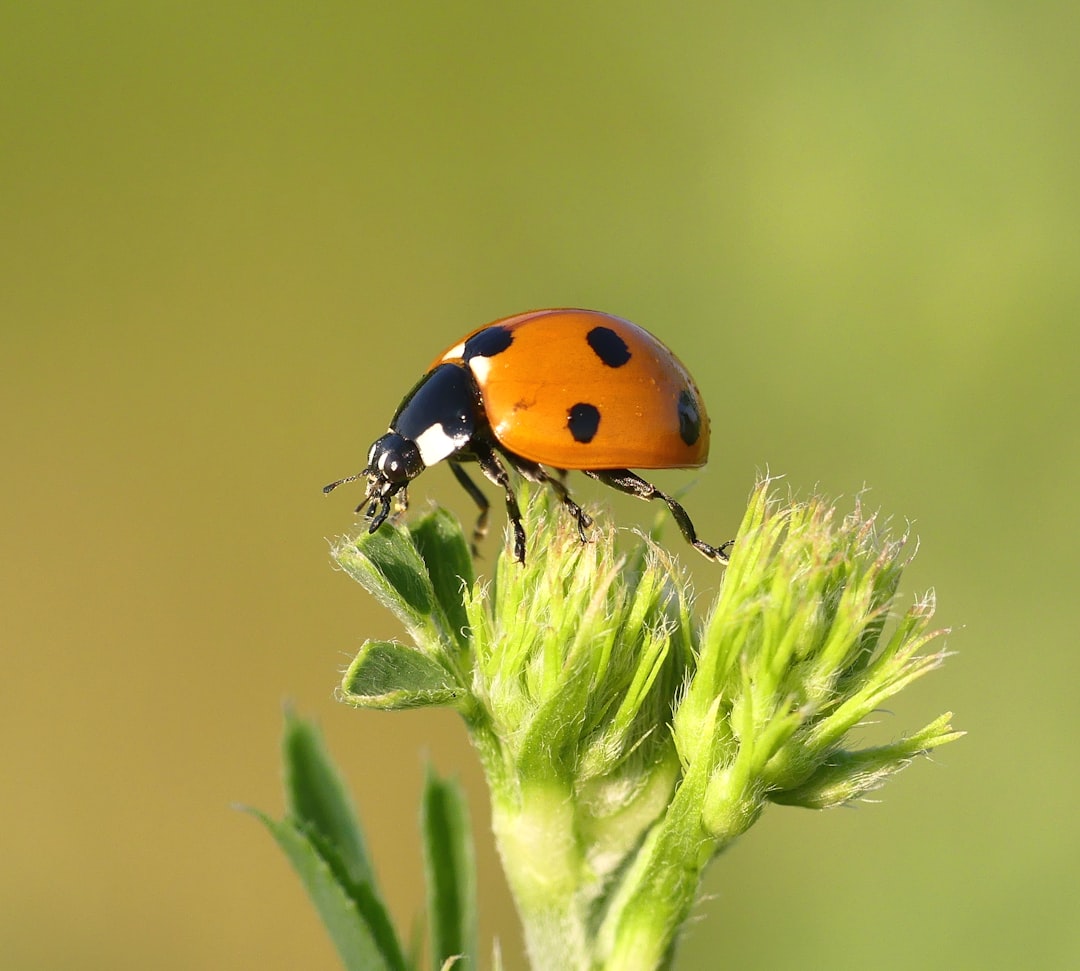
We understand that unwelcome guests can sometimes overstay their welcome. In Toronto, a vibrant metropolis with a diverse ecosystem, the presence of pests in our homes is a common concern. Effective residential pest control is not just about eliminating current infestations; it’s about building a robust defense system to protect our families and our investments. This article will delve into the multifaceted approach we can take to ensure our homes remain sanctuaries, free from the scuttling, buzzing, and biting intruders that can compromise our comfort and health.
Toronto’s urban environment, characterized by its many green spaces, parks, and proximity to the lake, creates a fertile ground for a variety of pests. Understanding the common adversaries we face is the crucial first step in developing an effective strategy. We need to be aware of who our potential invaders are and the conditions that attract them.
Common Residential Pests in Toronto
Our city plays host to a diverse range of creatures that can find their way into our dwellings. Knowing their names and their habits is akin to learning the strengths and weaknesses of an opposing army.
Insects
- Ants: The ubiquitous ant, often seen marching in disciplined lines, can be a nuisance. Carpenter ants, in particular, pose a structural threat as they excavate wood for nesting. We often encounter them seeking out food sources, making our kitchens and pantries prime targets.
- Cockroaches: These resilient insects are notorious for their ability to survive and reproduce rapidly. They thrive in warm, humid environments and are often associated with poor sanitation, though they can also exploit cracks and crevices to enter homes. Their presence can signal a potential health hazard due to their ability to carry pathogens.
- Spiders: While many spiders are beneficial predators of other insects, some species, like the venomous black widow, can be a concern. Understanding which spiders are present and their nesting habits is important for our peace of mind and safety.
- Bed Bugs: The thought of these tiny, blood-feeding insects can send shivers down our spines. They are notorious travellers, hitchhiking on luggage and clothing, and can be incredibly difficult to eradicate. Their presence disrupts sleep and can cause significant emotional distress.
- Mosquitoes and Flies: While often considered seasonal pests, mosquitoes can transmit diseases, and flies are carriers of bacteria and can contaminate food. Their presence, especially in larger numbers, can significantly detract from our enjoyment of our outdoor spaces and even our indoor environments.
- Stored Product Pests: These include pantry moths and various beetles that infest grains, cereals, and other food items stored in our cupboards and pantries. They can ruin our food supplies and require diligent cleaning and storage practices to manage.
Rodents
- Mice: Small and agile, mice can squeeze through incredibly small openings. They are known for gnawing on wiring and insulation, posing fire hazards and damaging property. Their droppings can also be a source of contamination.
- Rats: Larger and more destructive than mice, rats are a significant concern. They can cause extensive damage to structures, contaminate food supplies, and are vectors for various diseases. Their presence often indicates entry points that need to be secured.
Other Pests
- Wasps and Bees: While essential for pollination, aggressive or stinging wasps and bees can be a danger, especially to individuals with allergies. Nests in or around our homes require professional attention to ensure safety during removal.
- Birds: While often appreciated for their songs, certain birds can become pests when they nest in attics, chimneys, or on our rooftops, leading to property damage and unsanitary conditions due to droppings.
Environmental Factors Contributing to Pest Infestations
Toronto’s urban fabric presents a unique set of challenges and opportunities for pest populations. Recognizing these factors helps us understand why certain pests are more prevalent in our region.
- Urban Density and Green Spaces: The juxtaposition of high-density housing with numerous parks, ravines, and the waterfront creates a rich habitat for many species. These areas act as natural corridors for pest movement between properties.
- Seasonal Fluctuations: Our distinct four seasons influence pest activity. Spring and summer see a surge in insect populations, while the colder months often drive rodents indoors in search of warmth and food.
- Building Structures: Older buildings may have more entry points and harborage areas for pests compared to newer constructions. However, even modern homes can be vulnerable if not properly sealed and maintained.
- Waste Management: The way we manage our household waste plays a significant role. Inadequate or improperly sealed garbage bins can act as beacons, attracting a wide array of pests.
- Water Sources: Standing water, leaky pipes, and damp basements can attract pests like mosquitoes and cockroaches, providing them with essential resources for survival and reproduction.
Integrated Pest Management (IPM): A Holistic Approach
We often think of pest control as a battle waged solely with sprays and traps. However, the most effective strategy is a comprehensive one known as Integrated Pest Management (IPM). IPM is a philosophy that prioritizes prevention, non-chemical methods, and targeted interventions only when necessary. It’s about becoming a strategic commander, not just a foot soldier.
The Principles of IPM
IPM is built on a foundation of understanding, monitoring, and informed action. It’s a layered defense, much like a well-fortified castle.
- Identification: The first step is to accurately identify the pest. Knowing your enemy’s name, habits, and vulnerabilities is paramount. Misidentification can lead to ineffective treatments and wasted resources.
- Inspection and Monitoring: Regular inspections of our homes, both inside and out, are crucial for early detection. We need to be vigilant, looking for signs of pest activity such as droppings, gnaw marks, or actual sightings. Traps can be useful monitoring tools.
- Prevention: This is the cornerstone of IPM. By modifying our environment, we can make it less hospitable to pests. This involves sealing entry points, managing clutter, proper food storage, and maintaining sanitation.
- Control Methods: When pest activity is detected, IPM employs a range of control methods, prioritizing those with the least environmental and health impact. This can include physical barriers, traps, biological controls, and judicious use of chemical treatments.
- Evaluation: After implementing control measures, it’s essential to evaluate their effectiveness and adjust the strategy as needed. This iterative process ensures that our efforts remain successful.
Preventive Measures: Building Our First Line of Defense
Prevention is like building strong walls around our city. The more robust our preventative measures, the fewer breaches we’ll have to defend against.
Sealing Entry Points
Pests are resourceful explorers, constantly seeking new territory. Blocking their entry paths is fundamental.
- Exterior Sealing: We need to meticulously inspect the exterior of our homes. Cracks in foundations, gaps around pipes and utility lines, and damaged window screens are prime entry points. Using caulk, weather stripping, and steel wool can effectively seal these vulnerabilities.
- Door and Window Maintenance: Ensure that doors seal tightly against their frames and that windows are properly fitted and free of damage. Door sweeps can prevent pests from crawling underneath.
- Roof and Chimney Inspection: Pests like rodents and birds can find their way into our homes through damaged roofs or improperly screened chimneys. Regular checks and necessary repairs are vital.
Sanitation and Food Management
A clean home is a less attractive home for many pests. We need to starve them of their resources.
- Kitchen Hygiene: Regular cleaning of countertops, floors, and appliances is essential. Spills and crumbs are an open invitation to ants and cockroaches. Wiping down surfaces after every meal and immediately washing dishes are simple yet effective practices.
- Food Storage: All food items, especially dry goods like grains, flour, and cereal, should be stored in airtight containers made of glass, metal, or thick plastic. This prevents pests from accessing them and breeding within.
- Waste Disposal: Properly sealed garbage bins, both indoors and outdoors, are critical. We should aim to empty indoor trash regularly and ensure outdoor bins have tight-fitting lids to prevent pests from rummaging through our refuse. Composting should be managed diligently to avoid attracting pests.
Moisture Control
Water is life for many pests. Eliminating unnecessary moisture can significantly reduce their presence.
- Leaky Pipes and Faucets: Dripping faucets and leaky pipes create damp environments that attract cockroaches, silverfish, and rodents. Promptly repairing any plumbing issues is a crucial step.
- Basement and Crawl Space Ventilation: These areas are often prone to dampness. Ensuring proper ventilation can help to dry them out and make them less hospitable to pests. Dehumidifiers can also be effective in extremely damp conditions.
- Gutters and Drainage: Clogged gutters can lead to water pooling around our home’s foundation, creating ideal conditions for pests. Regular cleaning and ensuring proper drainage away from the house are important maintenance tasks.
Landscaping and Exterior Maintenance
Our yards can inadvertently become pest magnets if not managed correctly.
- Yard Debris: Piles of leaves, woodpiles, and overgrown vegetation can provide excellent shelter and breeding grounds for rodents and insects. Keeping our yards tidy and free of clutter is a significant preventative measure.
- Tree and Shrub Trimming: Branches that touch our homes can serve as bridges for pests to enter. Trimming them back to create a gap is advisable.
- Bird Feeders: While enjoyable, bird feeders can also attract rodents and insects. Placing them away from the house and cleaning up spilled seed regularly can mitigate this.
Identifying and Addressing Specific Pest Problems

Once we understand the general principles of pest control, we need to be able to identify specific infestations and know the most effective ways to combat them. This requires a targeted approach, like a skilled surgeon performing a precise operation.
Insect Infestations
Insects are masters of infiltration and rapid reproduction. Swift and accurate action is key to containing them.
Ant Control
- Locating the Nest: The most effective ant control involves locating and treating the nest. We often see ants foraging, but their home base is the key to eradication.
- Baited Traps: Ant baits work by attracting ants to a poisoned food source, which they then carry back to the colony, effectively eliminating it. Placement is crucial, along known ant trails.
- Barrier Sprays: For persistent external infestations, barrier sprays can be applied around the foundation of our homes to deter ants from entering.
- Sanitation: As mentioned, cleanliness is a powerful disincentive for ants. Promptly cleaning up spills and storing food properly will reduce their attraction to our homes.
Cockroach Control
- Understanding Their Habits: Cockroaches are nocturnal and thrive in dark, warm, and humid environments. They are often found in kitchens, bathrooms, and basements.
- Sanitation is Paramount: Impeccable hygiene is the first and most important step. Thoroughly cleaning all food preparation and consumption areas, eliminating water sources, and sealing all food in airtight containers are critical.
- Baiting and Gel Applications: Cockroach baits, often in gel form, are highly effective. They are placed in areas where cockroaches travel, allowing them to consume the poison and take it back to their nests.
- Insect Growth Regulators (IGRs): IGRs disrupt the cockroach life cycle, preventing nymphs from maturing into reproductive adults. This can be a highly effective long-term solution.
- Professional Treatments: For severe infestations, professional intervention may be necessary, utilizing targeted treatments and advanced techniques.
Bed Bug Eradication
- Early Detection: Bed bugs are notoriously difficult to eradicate once established. Early detection is key, involving regular inspections of mattresses, bed frames, and furniture.
- Inspection and Identification: Signs include small, reddish-brown stains on bedding, shed skins, and the bugs themselves.
- Professional Treatment: Bed bug eradication almost always requires professional assistance. Heat treatments, fumigation, and specialized insecticides are often employed. It’s a tenacious foe that demands a well-equipped adversary.
- Thorough Cleaning and Vacuuming: After professional treatment, thorough cleaning and vacuuming of all affected areas are essential to remove eggs and any remaining bugs.
Spider Control
- Habitat Modification: Reducing clutter, sealing cracks and crevices, and eliminating potential food sources (other insects) can discourage spiders.
- Vacuuming: Regularly vacuuming cobwebs and any visible spiders is an effective immediate solution.
- Insecticidal Dusts: For harborage areas like attics and basements, insecticidal dusts can be applied to deter spiders.
- Professional Removal: If venomous spiders are a concern, professional removal and advice are recommended.
Rodent Infestations
Mice and rats are capable of causing significant damage and posing health risks. Their elimination requires a robust strategy.
Mouse and Rat Control
- Sanitation and Food Security: As with insects, keeping our homes clean and all food secured in airtight containers is the first line of defense. Removing accessible food sources is critical.
- Sealing Entry Points: Mice can enter through openings as small as a dime, and rats through openings as small as a quarter. Meticulous sealing of all potential entry points is essential.
- Trapping: Both snap traps and live traps can be effective for smaller infestations. Placement is key, along known rodent pathways.
- Bait Stations: Tamper-resistant bait stations are a safer way to use rodenticides, reducing the risk to children and pets. These are best placed in areas of high rodent activity.
- Professional Extermination: For larger or persistent infestations, professional exterminators possess the expertise and products to effectively deal with rodent problems. They can also identify entry points and advise on preventative measures.
When to Call the Professionals: Recognizing the Limits of DIY

While it’s empowering to tackle some pest issues ourselves, we must recognize when the problem extends beyond our capabilities. Sometimes, the cavalry is needed to win the war.
Signs That Point to Professional Intervention
There are certain indicators that signal it’s time to enlist the help of pest control experts.
- Persistent or Widespread Infestations: If our DIY efforts are not yielding results or the infestation seems to be spreading rapidly, professional intervention is often necessary.
- Identification Challenges: If we are unsure of the type of pest, its habits, or the extent of the infestation, a professional inspection can provide clarity and a targeted treatment plan.
- Health and Safety Concerns: For pests that pose significant health risks (e.g., venomous spiders, rodents carrying diseases) or have the potential to cause structural damage (e.g., carpenter ants), professional expertise is crucial.
- Difficult-to-Access Areas: Pests in attics, crawl spaces, or behind walls can be challenging to reach and treat effectively without specialized equipment and knowledge.
- Bed Bug Infestations: Due to their resilience and the complexity of their eradication, bed bug infestations are almost always best handled by professionals.
- Allergic Reactions or Severe Phobias: If members of the household have severe allergies to pests or a strong phobia that hinders effective DIY treatment, professional services are the best option.
The Benefits of Professional Pest Control
Professional pest control services offer distinct advantages that can save us time, money, and stress in the long run.
- Expert Knowledge and Experience: Pest control professionals have a deep understanding of pest biology, behavior, and effective control methods. They can accurately identify pests and develop tailored strategies.
- Access to Advanced Products and Equipment: They have access to professional-grade insecticides, baits, and equipment that are not available to the general public, allowing for more potent and efficient treatments.
- Safety and Compliance: Professionals are trained in the safe and responsible use of pest control products, minimizing risks to humans, pets, and the environment while adhering to all relevant regulations.
- Efficiency and Effectiveness: Their expertise often leads to faster and more comprehensive eradication of pests, preventing future re-infestations.
- Long-Term Prevention Strategies: Beyond just treatment, professionals can offer advice and implement strategies for long-term pest prevention, helping us maintain a pest-free environment.
- Peace of Mind: Knowing that our homes are being serviced by experienced professionals provides invaluable peace of mind, allowing us to enjoy our living spaces without worry.
Maintaining a Pest-Free Home: Ongoing Vigilance
| Metric | Value | Notes |
|---|---|---|
| Average Cost per Treatment | 120 – 250 | Varies by pest type and property size |
| Common Pests Treated | Ants, Cockroaches, Bed Bugs, Spiders, Rodents | Most frequent residential pests in Toronto |
| Average Treatment Duration | 1 – 3 hours | Depends on infestation severity |
| Effectiveness Rate | 85% – 95% | After initial treatment and follow-ups |
| Number of Licensed Pest Control Companies | 50+ | Operating within Toronto city limits |
| Typical Warranty Period | 30 – 90 days | Coverage for re-treatment if pests return |
| Eco-Friendly Treatment Options | Available | Many companies offer green pest control solutions |
Pest control is not a one-time event; it’s a continuous effort. Maintaining a pest-free home requires ongoing vigilance and commitment to preventative practices. It’s about creating a culture of awareness and proactive care within our households.
Regular Inspections and Maintenance
The best defense is a good offense, and in pest control, that means regular checks.
- Seasonal Checks: We should conduct thorough inspections of our homes at the beginning of each season, paying attention to common pest entry points and harborage areas. Spring and fall are particularly important times for these checks.
- Ongoing Monitoring: Get into the habit of observing our homes for any unusual signs of pest activity, such as droppings, gnaw marks, or unusual sounds. Early detection is always easier to manage.
- Property Maintenance: Addressing minor issues like leaky faucets, deteriorating weather stripping, or small cracks promptly can prevent them from becoming major pest problems.
Educating Household Members
An informed family is a more effective defense force.
- Awareness of Risks: Educating everyone in the household about the common pests in Toronto, the signs of their presence, and preventative measures empowers us all to be vigilant.
- Hygiene Practices: Reinforcing good hygiene practices, especially in the kitchen, is crucial for everyone to understand and implement.
- Reporting Sightings: Encourage all household members to report any pest sightings, no matter how small, so that issues can be addressed promptly.
Working with Pest Control Professionals for Long-Term Solutions
For persistent issues or to ensure comprehensive protection, establishing a relationship with a reputable pest control company can be highly beneficial.
- Routine Inspections and Treatments: Many companies offer scheduled inspection and treatment plans that can proactively address potential pest problems before they become serious.
- Seasonal Pest Management: Professionals can tailor treatment plans to address seasonal pest pressures, ensuring our homes are protected year-round.
- Emergency Services: Knowing we have a reliable pest control partner available for unexpected infestations provides a valuable safety net.
- Advice on Best Practices: Pest control professionals can offer ongoing advice and recommendations on how to best maintain a pest-free environment, keeping us informed of new developments and effective strategies.
By adopting a proactive, informed, and multi-layered approach, we can effectively manage residential pests in Toronto, ensuring our homes remain comfortable, healthy, and secure environments for our families. We are the guardians of our homes, and with the right knowledge and tools, we can ensure they remain a sanctuary from any unwelcome intruders.