Toronto’s urban landscape, a vibrant tapestry of concrete and greenery, is also a habitat for a diverse array of pests. From the cozy confines of our homes to the bustling restaurants and sprawling parks, these unwelcome guests can pose significant challenges. Effectively managing these creatures is not just about maintaining aesthetics; it’s about safeguarding our health, preserving our property, and ensuring the overall well-being of our communities. We, as Torontonians, understand the importance of a proactive and informed approach to pest control. This article aims to equip you with the knowledge and resources necessary to tackle pest issues head-on, transforming our city into a less hospitable environment for unwanted invaders.
Before we can effectively combat pests, we must first understand who and what they are. Toronto’s climate and urban density create fertile ground for a variety of species, each with its own unique habits and vulnerabilities. Knowing your enemy is the first step in formulating a winning strategy.
Rodent Infestations: The Unseen Scourge
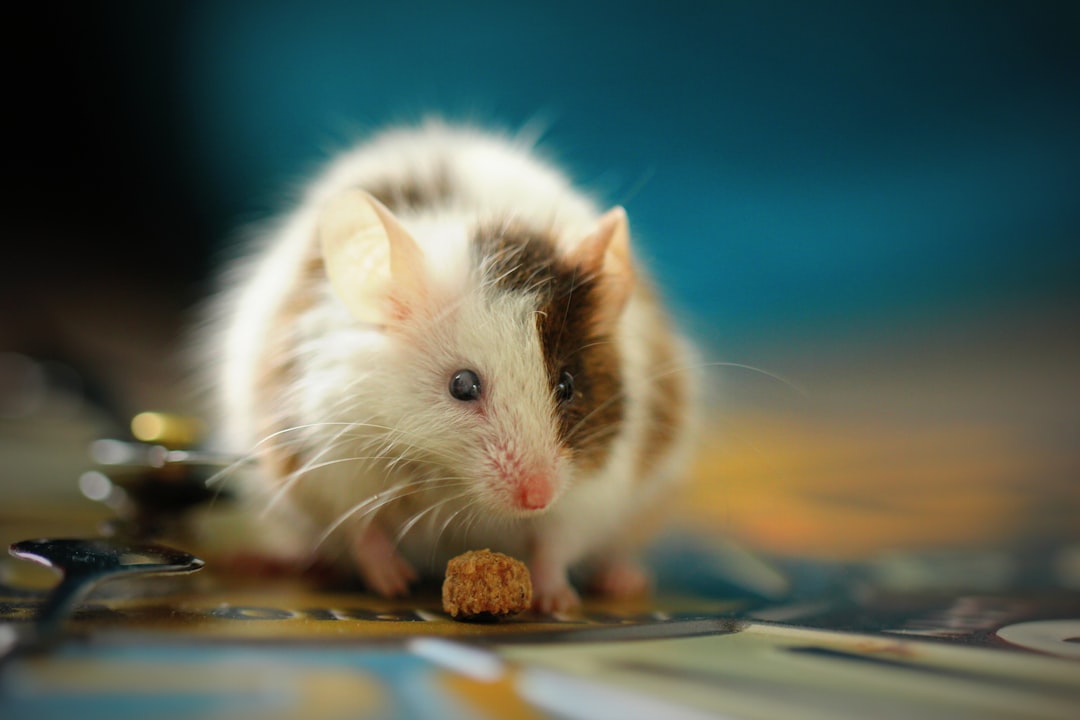
Rodents, particularly the ubiquitous house mouse (Mus musculus) and the larger Norway rat (Rattus norvegicus), are among the most prevalent pests in Toronto. Their ability to reproduce rapidly and their adaptability to human environments make them persistent adversaries.
Identifying Rodent Presence
We often don’t see rodents, but their presence leaves telltale signs. Droppings are a common indicator, typically small and dark for mice, and larger and capsule-shaped for rats. Grease marks along baseboards or walls, where they frequently travel, can also signal an infestation.
Gnaw Marks and Damaged Property
Rodents have continuously growing incisors and must gnaw to keep them trimmed. This can lead to significant damage to electrical wiring, wooden structures, and even plumbing. We’ve all heard the chilling stories of electrical fires caused by gnawed wires.
Unusual Noises
Scratching or scurrying sounds within walls, attics, or crawl spaces, especially at night, are often the first audible signs of a rodent problem. These sounds, though small, can be a loud alarm for homeowners.
Common Entry Points for Rodents
These clever creatures are adept at finding their way into our buildings. Understanding these entry points is crucial for prevention.
Gaps and Cracks in Foundations
Even small openings in the foundation can provide a pathway for rodents. They can squeeze through surprisingly tight spaces.
Unsealed Utility Openings
Where pipes or wires enter a building, gaps can form. These are prime opportunities for rodents to breach our defenses.
Damaged Vents and Window Screens
Ripped screens, loose vent covers, or even improperly installed soffits can be invitations to these unwelcome guests.
Insect Pests: A Multi-Faceted Threat
The insect world in Toronto is vast and varied, presenting a range of challenges from nuisance pests to those that pose health risks.
Cockroach Infestations: The Resilient Invaders
Cockroaches, such as the German cockroach (Blattella germanica) and the American cockroach (Periplaneta americana), are notorious for their hardiness and rapid reproduction. They thrive in warm, humid environments, making many Toronto kitchens and bathrooms prime real estate.
Signs of Cockroach Activity
A musty odor, especially strong in kitchens or poorly ventilated areas, can indicate a cockroach presence. You might also find egg cases, shed skins, or dark fecal spots that resemble ground coffee.
Preferred Habitats
These nocturnal insects often hide in dark, moist areas like under sinks, behind appliances, and in cracks and crevices.
Ant Colonies: The Persistent March
Ants, from the common pavement ant (Tetramorium caespitum) to the odorous house ant (Tapinoma sessile), are a common sight. While many are merely a nuisance, some can damage property or contaminate food.
Ant Trails
The most obvious sign of ants is the trail they leave as they forage for food. Following these trails can lead you to their nest.
Nesting Sites
Ants can nest in a variety of locations, both indoors and outdoors. Inside, they might be found in wall voids, under flooring, or in insulation. Outdoors, their nests can be found in soil, under rocks, or in decaying wood.
Mosquitoes and Ticks: Seasonal Annoyances and Health Concerns
As the weather warms, mosquitoes and ticks become more active, posing risks of itchy bites and the transmission of diseases like West Nile virus and Lyme disease.
Mosquito Breeding Grounds
Standing water, even in small amounts, is a breeding ground for mosquitoes. This includes bird baths, clogged gutters, and neglected pet bowls.
Tick Habitats
Ticks are often found in grassy, wooded, or brushy areas. They are particularly prevalent in parks and natural spaces within the city.
Other Common Invertebrates: Spiders and More
While not always considered “pests” in the same vein as rodents or cockroaches, certain spiders and other invertebrates can become a nuisance or cause concern.
Spiders in Homes
Many spider species in Toronto are harmless and beneficial, preying on other insects. However, some larger species can cause unease, and their webs can detract from the cleanliness of a home.
Webbing and Egg Sacs
Visible webs, especially in corners and along ceilings, are a clear indicator of spider presence. Egg sacs, often a papery or silken pouch, are another sign.
Other Invertebrates
Centipedes, millipedes, and earwigs can find their way into homes seeking moisture or shelter, particularly during extreme weather conditions.
Proactive Pest Prevention: Building Your First Line of Defense
The most effective pest control strategy is prevention. By implementing simple yet crucial measures, we can significantly reduce the likelihood of an infestation taking root in our homes and businesses. Think of this as reinforcing the walls of your fortress against unwanted invaders.
Sealing Entry Points: Closing the Door to Pests
The adage “an ounce of prevention is worth a pound of cure” is particularly true when it comes to pest control. Sealing up potential entry points is a fundamental step in keeping pests out.
Exterior Inspection and Sealing
We need to meticulously inspect the exterior of our buildings.
Caulking Gaps and Cracks
Use caulk to seal any small cracks or openings in foundations, walls, and around windows and doors. This is like patching up tiny holes in your armor.
Repairing Damaged Screens and Vents
Ensure all window screens are intact and properly fitted. Secure or replace damaged vent covers.
Maintaining Eaves and Gutters
Clogged gutters can create damp environments attractive to pests. Regularly clean and maintain them.
Interior Sealing Strategies
The interior of our homes also requires attention.
Sealing Gaps Around Pipes and Wires
Anywhere utilities enter our homes, there’s a potential entry point. Seal these gaps with appropriate materials.
Using Door Sweeps
Install door sweeps on exterior doors to prevent pests from crawling underneath.
Maintaining Clearances Around Appliances
Ensure there are no large gaps between appliances and walls, as these can be hiding places and entry points.
Waste Management: Denying Pests a Food Source
Pests are drawn to readily available food sources. Proper waste management is key to making our properties less appealing.
Secure Garbage Disposal
This is a critical battleground in pest control.
Using Bins with Tight-Fitting Lids
Ensure all garbage bins, both indoors and outdoors, have secure lids that pests cannot easily access.
Regular Garbage Removal
Don’t let garbage accumulate. Schedule regular pickups and rinse out bins periodically to remove attractive residues. This is like denying the enemy their supply lines.
Food Storage Practices
How we store our food significantly impacts our vulnerability.
Storing Food in Airtight Containers
All dry goods, from cereal to flour, should be stored in airtight containers made of plastic, glass, or metal. Pests can chew through cardboard and plastic bags.
Promptly Cleaning Up Spills and Crumbs
Don’t leave food residues lying around. Clean up spills and crumbs immediately.
Washing Dishes Promptly
Don’t leave dirty dishes in the sink overnight. Wash them promptly to remove any food attractants.
Landscaping and Yard Maintenance: Creating a Less Hospitable Exterior
Our yards can become unintended havens for pests if not properly maintained.
Managing Vegetation
The way we manage our greenery plays a role.
Trimming Overhanging Branches
Branches that touch your house can provide a bridge for climbing pests. Trim them back.
Keeping Mulch and Debris Away from Foundations
Remove piles of mulch, leaves, and other debris from the immediate vicinity of your building’s foundation. These can provide shelter and nesting sites for rodents and insects. This is like clearing the brush around your fortress walls.
Water Management
Water is life for many pests.
Eliminating Standing Water
As mentioned, standing water is a breeding ground for mosquitoes. Empty bird baths regularly, fix leaky faucets, and ensure proper drainage in your yard.
Maintaining Proper Drainage
Ensure your yard slopes away from your foundation to prevent water accumulation.
Integrated Pest Management (IPM): A Holistic Approach
Integrated Pest Management (IPM) is a philosophy and a set of practices that emphasizes a multi-faceted approach to pest control. It moves beyond simply spraying pesticides and instead focuses on understanding pest biology, ecology, and behavior to implement sustainable and effective solutions. IPM is not about waging all-out war; it’s about strategic maneuvering and understanding the ebb and flow of an ecosystem.
Monitoring and Identification: Knowing What You’re Dealing With
The first and arguably most crucial step in IPM is thorough monitoring and accurate identification of pests. We must become astute observers of our environment.
Regular Inspections
We need to make regular inspections a habit.
Home Inspections
Conduct regular visual inspections of your home, both inside and out. Look for signs of pest activity, such as droppings, gnaw marks, webs, or live pests. Pay close attention to common problem areas like kitchens, bathrooms, basements, and attics.
Garden and Yard Inspections
Inspect your garden and yard for signs of pests, particularly around potential entry points to your home.
Accurate Pest Identification
Knowing the specific pest is vital for choosing the right control methods.
Consulting Resources
Utilize online resources, pest control guides, or consult with a professional to accurately identify any pests you encounter. Misidentification can lead to ineffective treatments.
Mechanical and Physical Controls: Non-Chemical Solutions
IPM prioritizes non-chemical methods whenever possible. These methods are often safer for occupants and the environment.
Traps and Barriers
These are our first line of non-chemical defense.
Mousetraps and Rat Traps
Snap traps, glue traps (used with caution), and live traps can be effective for rodent control. Proper placement is key.
Insect Traps
Various traps are available for different insects, including sticky traps for crawling insects and pheromone traps for certain flying pests.
Exclusion Devices
For structural pests like birds or bats, exclusion devices can be used to safely remove them and prevent re-entry without harming them.
Barriers and Exclusion
This involves physically preventing pests from accessing areas.
Installing Sill Panations and Gutter Guards
These can prevent rodents and insects from entering through lower entry points or nesting in gutters.
Using Nets and Screens
Bird netting or fine mesh screens can protect vulnerable areas from pest intrusion.
Biological Controls: Harnessing Nature’s Allies
Biological control involves using natural predators, parasites, or diseases to manage pest populations. This is like introducing a natural adversary to keep our enemy in check.
Beneficial Insects
Certain insects can be introduced or encouraged to deter pest populations.
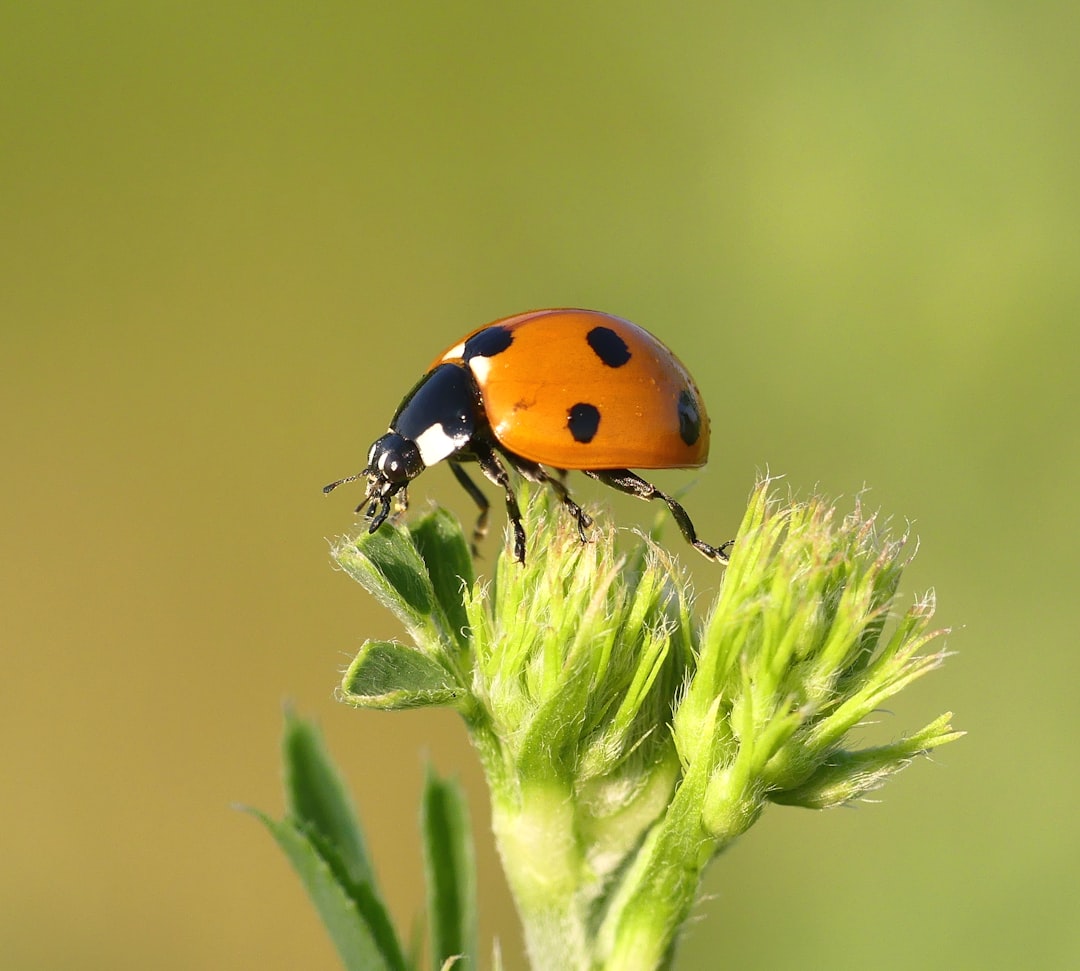
Ladybugs and Lacewings
These natural predators are highly effective at controlling aphids and other soft-bodied insects in gardens.
Predatory Mites
These can be used to control pest mites in agricultural or horticultural settings.
Nematodes
Microscopic roundworms that can be used to control soil-dwelling pests like grubs and root weevils.
Chemical Controls: Judicious Use as a Last Resort
Chemical pesticides should be considered a last resort within an IPM strategy, used only when other methods are insufficient and always with careful consideration.
Targeted Application
The goal is to use pesticides precisely where and when they are needed.
Spot Treatments
Instead of broad spraying, focus on treating specific areas where pest activity is observed.
Using Baits and Gels
Baits and gels are often more effective and less dispersive than sprays, targeting specific pests in their hiding places.
Choosing Environmentally Friendly Options
When pesticides are necessary, prioritize those with lower environmental impact.
Understanding Labels and Safety Precautions
Always read and follow product labels carefully. Understand the potential risks to humans, pets, and non-target organisms.
Hiring Licensed Professionals
For significant infestations or when using more potent chemicals, it is always advisable to hire a licensed pest control professional. They have the expertise and equipment to apply treatments safely and effectively.
Professional Pest Control Services in Toronto: When to Call in the Experts
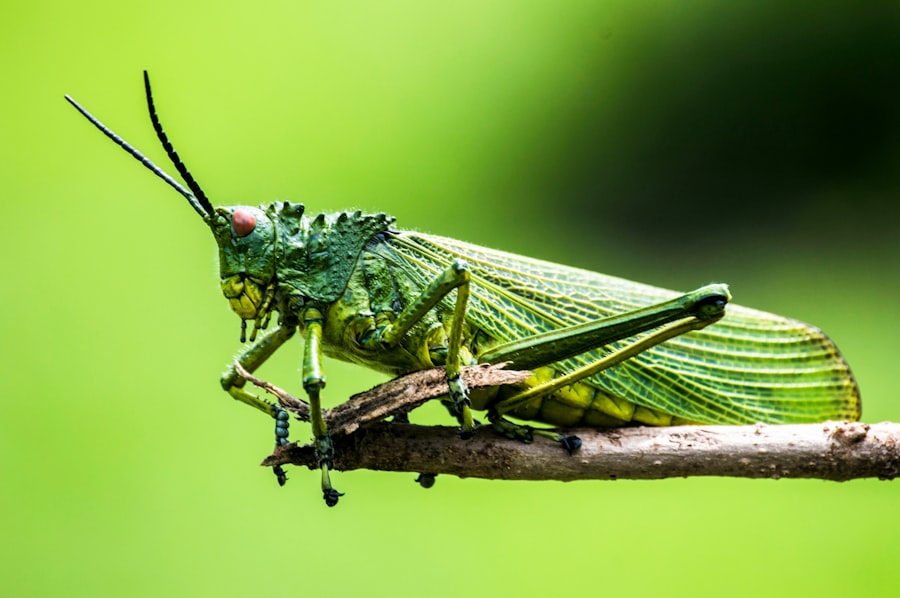
While proactive measures are essential, sometimes infestations can become overwhelming, or we may lack the expertise to handle them effectively. This is when professional pest control services become an invaluable resource. They are the seasoned generals who can lead the charge when our individual efforts fall short.
Identifying the Need for Professional Help
Recognizing when a problem has escalated is crucial.
Persistent or Severe Infestations
If your DIY efforts have failed to resolve the issue, or if the infestation is widespread and severe, it’s time to call in the professionals.
Health and Safety Concerns
Pests can carry diseases and allergens. If you suspect a health risk, professional intervention is paramount.
Rodent-Borne Diseases
Diseases like hantavirus and leptospirosis can be transmitted through rodent droppings and urine.
Allergic Reactions to Insect Bites or Stings
Some individuals have severe allergic reactions to insect bites or stings.
Structural Damage Concerns
If pests are causing structural damage to your property, professional assessment and treatment are necessary.
Choosing the Right Pest Control Company
Selecting a reputable and effective pest control provider is a critical decision.
Licensing and Certification
Ensure the company and its technicians are properly licensed and certified by the relevant provincial authorities. This is a sign of professionalism and adherence to regulations.
Experience and Specialization
Look for companies with experience dealing with the specific pests you are encountering. Some companies specialize in certain types of pest control.
Reputation and Reviews
Research the company’s reputation. Read online reviews and testimonials from past clients to gauge their effectiveness and customer service.
Integrated Pest Management (IPM) Philosophy
Prioritize companies that embrace an IPM approach, focusing on long-term solutions rather than just quick fixes.
Clear Communication and Treatment Plans
A good company will explain their assessment, proposed treatment plan, expected outcomes, and any precautions you need to take. They should be transparent about costs.
Services Offered by Toronto Pest Control Professionals
Professional services encompass a wide range of solutions tailored to specific pest problems.
Rodent Extermination and Exclusion
Professionals can effectively remove rodents and implement measures to prevent their return.
Baiting and Trapping Programs
Customized strategies for rodent control.
Sealing Entry Points and Rodent-Proofing
Expert execution of exclusion techniques.
Insect Control Services
Targeted treatments for various insect pests.
Cockroach and Ant Eradication
Effective methods for ridding your premises of these common invaders.
Bed Bug Treatment
Specialized services for the eradication of bed bugs, often requiring advanced techniques.
Wasp and Bee Removal
Safe and efficient removal of stinging insects.
Wildlife Removal and Control
For larger unwanted guests.
Humane Removal of Squirrels, Raccoons, and Other Wildlife
Professionals can safely and humanely remove wildlife that has taken up residence in or around your property.
Pest Inspections and Consultations
Preventative inspections and expert advice on managing pest risks.
The Cost of Pest Control: An Investment in Health and Property
While there is a cost associated with professional pest control, it’s important to view it as an investment.
Long-Term Savings
Preventing or resolving infestations early can save you significant money in the long run by avoiding costly repairs and health issues.
Peace of Mind
The knowledge that your home or business is protected from pests provides invaluable peace of mind.
Understanding Pricing Factors
The cost will vary depending on the type and severity of the infestation, the size of the property, and the complexity of the treatment required.
Maintaining a Pest-Free Toronto: Our Collective Responsibility
| Metric | Value | Notes |
|---|---|---|
| Average Cost per Treatment | 120 – 250 | Varies by pest type and property size |
| Common Pests Treated | Rodents, Cockroaches, Ants, Bed Bugs, Spiders | Most frequent pest issues in Toronto homes |
| Response Time | 24 – 48 hours | Typical time to schedule first treatment |
| Service Guarantee | 30 – 90 days | Period during which follow-up treatments are free |
| Number of Licensed Pest Control Companies | 50+ | Registered and licensed in Toronto area |
| Eco-Friendly Options Available | Yes | Many companies offer green pest control solutions |
| Peak Pest Season | Spring to Early Fall | Higher pest activity during warmer months |
Pest control is not solely the responsibility of pest control companies. As residents and businesses in Toronto, we all play a role in creating a city that is less attractive to these unwelcome visitors. It’s a shared endeavor, a collective effort to protect our shared urban haven.
Educating Ourselves and Our Communities
Knowledge is power. The more we understand about pests and how to prevent them, the more effective we will be.
Sharing Information
Talk to your neighbors, share information within your community groups, and encourage a proactive approach to pest management. This is like building a network of vigilant guardians.
Supporting Public Health Initiatives
Be aware of and support public health initiatives related to pest control and disease prevention.
Supporting Local Businesses
When we hire local pest control companies, we not only get expert service but also contribute to our local economy.
Choosing Reputable Toronto-Based Companies
By supporting businesses within Toronto, we strengthen our community and ensure that professionals who understand the local pest landscape are available.
The Environmental Impact of Pest Control Choices
Our choices regarding pest control have an impact on the environment.
Prioritizing Sustainable Practices
Embracing IPM and opting for less toxic methods whenever possible benefits the broader ecosystem.
Responsible Disposal of Pest Control Materials
Ensure that any chemicals or traps used are disposed of responsibly and according to guidelines.
Conclusion: Working Together for a Healthier Toronto
Effectively managing pests in Toronto requires a multifaceted approach, combining proactive prevention, informed action, and the judicious use of professional services. By understanding the common pests we face, implementing robust preventative measures, and embracing the principles of Integrated Pest Management, we can significantly reduce the challenges posed by these unwelcome inhabitants. When necessary, seeking the expertise of professional pest control services is a wise investment in our health, our property, and the overall well-being of our city. Let us continue to work together, as a community, to ensure that Toronto remains a healthy, safe, and enjoyable place for all its residents, both human and otherwise, but especially for us. Our urban environment is a precious resource, and its continued health and livability depend on our collective vigilance and commitment to effective pest control.