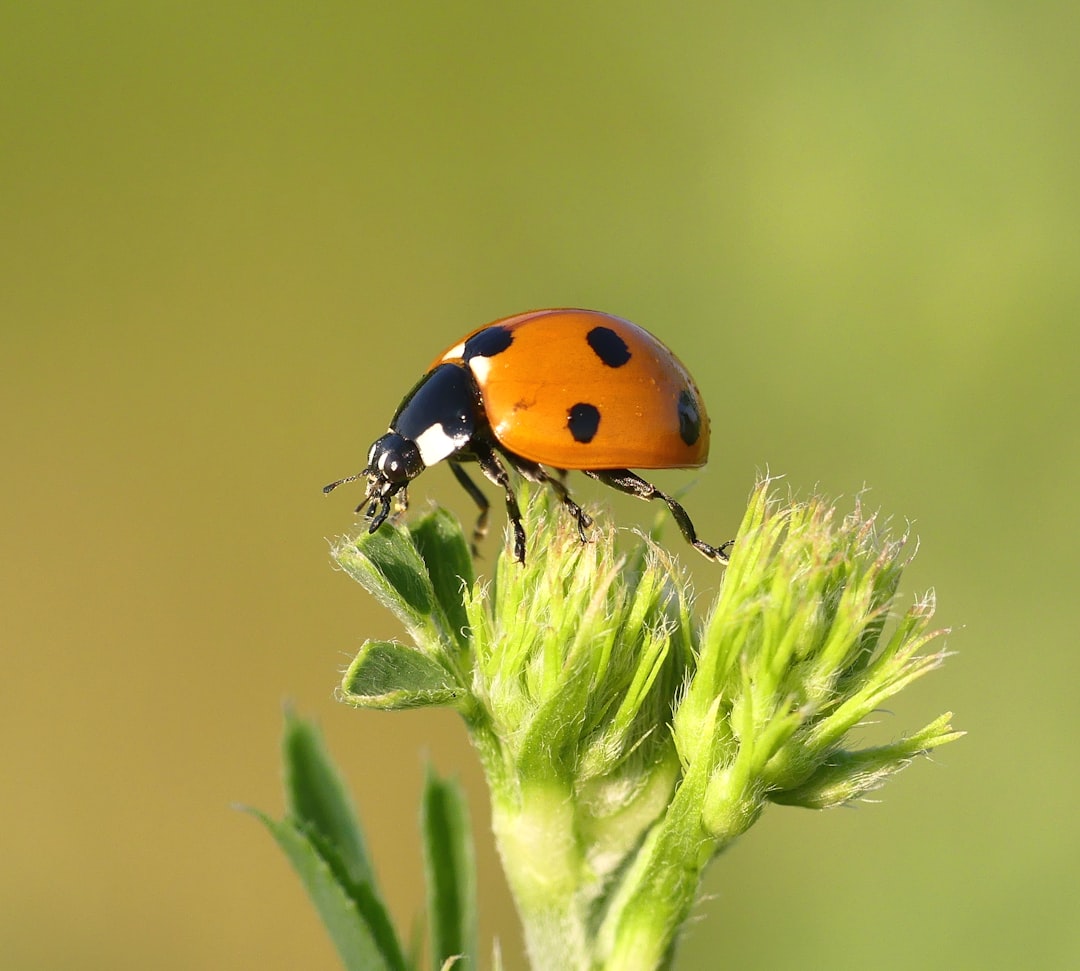
Toronto, our vibrant metropolis, is a dynamic ecosystem where human habitation and the natural world often intersect. While we appreciate the abundance of life that surrounds us, this proximity can sometimes lead to unwelcome guests. When pests establish a foothold in our homes and businesses, they can transform a sanctuary into a source of stress and potential harm. As residents of this bustling city, we understand the unique challenges presented by urban pest control. Our collective aim is to provide effective, reliable, and sustainable solutions to protect our spaces and well-being. This article outlines our approach to tackling these pervasive issues, focusing on understanding, prevention, and targeted intervention.
Understanding the Adversary: Identifying Common Toronto Pests
Before we can effectively combat an enemy, we must first understand its nature, its habits, and its vulnerabilities. In Toronto, a diverse range of pests calls our city home, each with its own set of behaviors and potential impacts. Recognizing these common culprits is the foundational step in any successful pest control strategy. We are not merely waging a war in the dark; we are armed with knowledge.
The Usual Suspects: A Closer Look at Toronto’s Pest Population
Rodents: The Silent Invaders
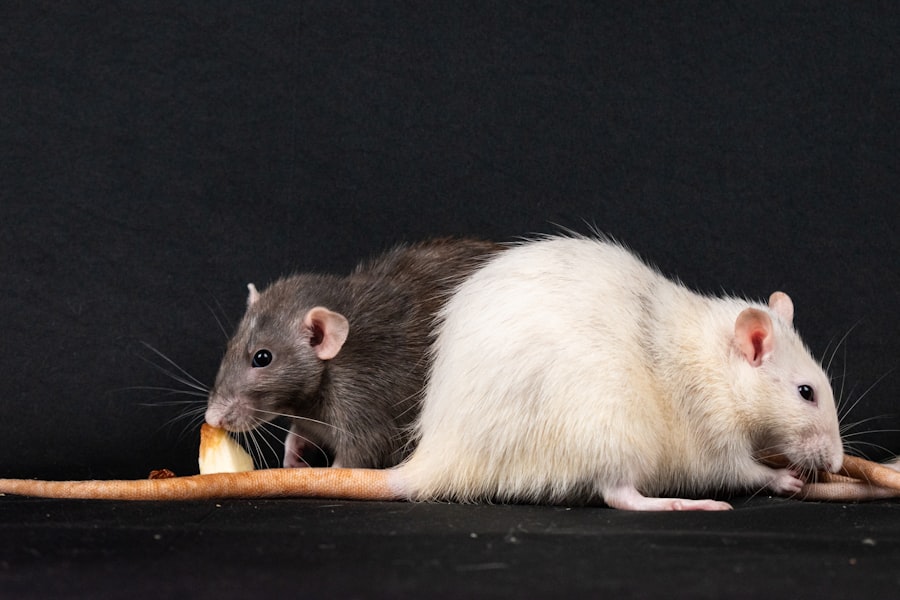
When we speak of rodents in Toronto, we primarily refer to two common species: the Norway rat and the house mouse. These creatures are not simply nuisances; they are vectors of disease and can cause significant structural damage.
Norway Rats (Rattus norvegicus)
These larger rodents are often found at ground level, in basements, sewers, and garbage areas. Their presence is indicated by droppings, gnaw marks on materials like wood, electrical wiring, and pipes, and by unusual odors. They are adept climbers and swimmers, allowing them access to a wide range of environments. Their prolific breeding cycle means a small infestation can quickly escalate. We need to be mindful of their ability to squeeze through incredibly small openings, often no larger than a quarter.
House Mice (Mus musculus)
Smaller than rats, house mice are more commonly found within the living spaces of our homes and buildings. Their presence can be detected by their distinctive, musky odor, small droppings, and evidence of gnawing on food packaging and building materials. They are curious and adaptable, readily nesting in wall voids, attics, and cluttered areas. Their agile nature allows them to navigate tight spaces and reach higher elevations.
Insect Invaders: Tiny Troublemakers
Toronto’s diverse climate supports a wide array of insect pests that can infiltrate our homes and businesses at various times of the year. Each insect presents a unique set of challenges and requires specific control methods.
Cockroaches: The Resilient Survivors
Several species of cockroaches inhabit Toronto, including the German cockroach, the American cockroach, and the Oriental cockroach. These insects are notorious for their ability to survive in less-than-ideal conditions and their rapid reproduction rates. They are often found in kitchens and bathrooms, areas where food and moisture are readily available. Their presence can trigger allergies and asthma, and they are known carriers of bacteria. We must acknowledge their remarkable ability to adapt and their resilience to many general-purpose insecticides.
Ants: The Persistent Foragers
Ant infestations are a common problem in Toronto, with various species like carpenter ants, odorous house ants, and pavement ants posing threats. Carpenter ants, in particular, can cause structural damage by excavating galleries in wood. Identifying the specific ant species is crucial as it dictates the most effective control strategy, whether it involves baiting, residual sprays, or treating nesting sites. Their sheer numbers and organized foraging patterns can be overwhelming if not addressed promptly.
Bed Bugs: The Nocturnal Blood-Sippers
The resurgence of bed bugs in urban centers like Toronto is a significant concern. These tiny insects are masters of concealment, hiding in mattress seams, furniture crevices, and even behind electrical outlets. Their bites can lead to itchy welts and emotional distress. Eradicating bed bugs requires a meticulous and often multi-faceted approach, typically involving professional inspection, heat treatments, and targeted insecticide applications. We must be vigilant in our inspections, as these pests often arrive with unsuspecting travelers.
Stored Product Pests: Those That Infest Our Pantries
Moths and beetles that infest stored food products are another common issue. These pests can contaminate our food supplies, making them unfit for consumption. Identifying the source of the infestation, often found in grains, flours, or dried fruits, is key to successful eradication. Proper storage and sanitation are the first lines of defense against these pantry invaders.
Other Common Pests: Expanding Our Awareness
Beyond rodents and insects, other pests can also become problematic in Toronto.
Spiders: The Eight-Legged Inhabitants
While most spiders found in Toronto are harmless, some species, such as the venomous Black Widow and Brown Recluse, can pose a risk, although their presence is rare. However, even non-venomous spiders can be a cause for concern due to aesthetic issues and potential allergic reactions to their bites, albeit uncommon. Their webs, while often beautiful in nature, can become unsightly indoors.
Pigeons: Urban Avian Challenges
Pigeons, while an iconic part of the urban landscape, can become a nuisance when they roost on buildings, causing droppings that are not only unsightly but also corrosive to building materials and a potential health hazard. Their nesting habits can also clog gutters and drains.
The Foundation of Defense: Integrated Pest Management (IPM) in Action

Our approach to pest control in Toronto is rooted in the principles of Integrated Pest Management (IPM). IPM is not about simply spraying chemicals; it is a comprehensive strategy that prioritizes prevention, understanding the pest’s life cycle, and utilizing a combination of methods to achieve long-term control with minimal environmental impact. It is a philosophy, a roadmap for sustainable pest management.
The Pillars of IPM: A Multifaceted Strategy
Prevention First: Building Fortifications Against Invaders
The most effective pest control is the pest that never gains entry. Our preventative measures are designed to create an environment that is inhospitable to pests, making our homes and businesses less attractive targets.
Sealing Entry Points: Reinforcing Our Walls
A significant number of pests gain access to our properties through cracks and crevices. Our strategies involve meticulously inspecting the exterior and interior of buildings, identifying and sealing all potential entry points. This includes gaps around pipes, utility lines, window frames, and door sweeps. Think of it as reinforcing the armor of our properties.
Sanitation and Housekeeping: Depriving Pests of Sustenance
Pests are drawn to food, water, and shelter. Maintaining high standards of sanitation and housekeeping plays a critical role in deterring them. This means:
- Proper Food Storage: Storing food in airtight containers, cleaning up spills and crumbs immediately, and not leaving dirty dishes in the sink overnight.
- Waste Management: Regularly emptying trash cans, ensuring they are sealed, and storing them away from the building’s perimeter.
- Moisture Control: Addressing leaks, leaky pipes, and areas of high humidity, as many pests require moisture to survive.
Habitat Modification: Altering the Landscape
Modifying the environment around our homes and businesses can make them less appealing to pests. This includes:
- Landscaping: Keeping vegetation trimmed away from the building’s foundation, removing leaf litter and debris, and ensuring proper drainage.
- Decluttering: Reducing clutter inside and outside the home, as it provides harborage for pests.
Monitoring and Inspection: The Watchful Eyes
Regular monitoring and thorough inspections are crucial for early detection and timely intervention. Our teams are trained to identify the subtle signs of pest activity, allowing us to address issues before they become major infestations.
Early Detection: Catching Them Before They Colonize
We emphasize the importance of proactive inspections. By regularly surveying properties, we can identify early signs of pest presence, such as droppings, gnaw marks, or shed skins, which are like the faint footprints of our adversaries.
Identification is Key: Knowing Our Enemy’s Weaknesses
Accurate identification of the pest species is paramount. Different pests have different behaviors, life cycles, and sensitivities to treatments. Misidentification can lead to ineffective control measures and wasted resources.
Targeted Interventions: The Art of Precision Strike
When preventative measures are not enough, or an infestation has already taken hold, we employ targeted intervention strategies that are as effective as they are precise.
Biological Control: Nature’s Allies
In some cases, we can utilize biological control agents, such as beneficial insects that prey on pest species, to manage populations naturally. This is a more eco-conscious approach when feasible.
Mechanical and Physical Controls: Traps and Barriers
Mechanical and physical controls involve using devices to capture or exclude pests. This can include:
- Traps: Various types of traps are employed for rodents and insects, designed to capture them effectively and humanely where appropriate.
- Barriers: Physical barriers, such as exclusion devices or specialized screens, can prevent pests from entering specific areas.
Chemical Control: The Last Resort, Applied Wisely
Chemical treatments are used judiciously and only when other methods are insufficient. Our approach prioritizes the use of the least toxic, most effective products applied in a manner that minimizes exposure to humans, pets, and the environment.
Strategic Application: Where and When It Matters
We understand that the timing and placement of pesticide applications are critical. Treatments are targeted to specific areas where pests are found or are likely to occur, rather than broad, indiscriminate spraying.
Least-Toxic Options: The Gentle Approach
Whenever possible, we opt for formulations with lower toxicity profiles, such as insect growth regulators or targeted baits, which are more specific to the pest and have less impact on non-target organisms.
The Human Element: Collaboration and Communication
Effective pest control is not solely about science and Eechnology; it is also about understanding and working with our clients – the residents and business owners of Toronto. Open communication and collaboration are vital for achieving successful and lasting results.
Educating Our Community: Empowering the Homeowner
We believe that informed clients are our best allies. We dedicate ourselves to educating our community about pest prevention, identification, and the importance of prompt action.
Sharing Knowledge: Building Awareness
We provide information on common pest issues in Toronto, including how to identify them, the risks they pose, and simple preventative measures that individuals can implement. This knowledge is a powerful shield.
Empowering Action: Be an Agent of Prevention
We encourage our clients to be proactive in their own pest management efforts. This includes maintaining good sanitation, sealing entry points, and reporting any suspected pest activity promptly.
The Partnership Approach: Working Together for a Pest-Free Toronto
We view our relationship with our clients as a partnership. We listen to your concerns, understand your specific needs, and tailor our solutions accordingly.
Understanding Your Concerns: Listening Closely
Every infestation presents unique challenges and anxieties. We take the time to listen to your concerns, understand the history of the issue, and address any specific sensitivities you may have.
Tailored Solutions: Crafting a Specific Plan
We do not offer a one-size-fits-all solution. After a thorough inspection and consultation, we develop a customized pest control plan that addresses the specific pest(s), the extent of the infestation, and the unique characteristics of your property.
The Professionals at Work: Our Expert Team and Their Methods
| Service Type | Common Pests | Average Response Time | Service Frequency | Customer Satisfaction Rate | Typical Treatment Duration |
|---|---|---|---|---|---|
| Residential Pest Control | Ants, Cockroaches, Spiders, Rodents | 24-48 hours | Monthly or Quarterly | 92% | 1-3 hours |
| Commercial Pest Control | Rodents, Cockroaches, Flies, Bed Bugs | 24 hours | Monthly | 89% | 2-4 hours |
| Termite Control | Termites | 48-72 hours | Annual Inspection & Treatment | 95% | 4-6 hours |
| Bed Bug Treatment | Bed Bugs | 24-48 hours | One-time or Follow-up | 90% | 3-5 hours |
| Wildlife Removal | Squirrels, Raccoons, Birds | 48 hours | As Needed | 88% | 2-5 hours |
Our team is the backbone of our effective pest control services. Comprised of experienced, licensed, and highly trained professionals, we are equipped with the knowledge, skills, and tools to tackle even the most challenging pest issues in Toronto.
Expertise and Training: The Sharpened Tools of Our Trade
Our technicians are not simply applicators of chemicals; they are trained entomologists, diagnosticians, and problem-solvers.
Continuous Education: Staying Ahead of the Curve
The world of pest control is constantly evolving. Our team engages in continuous education and training to stay abreast of the latest advancements in pest management techniques, new product developments, and evolving pest behaviors.
Licensing and Certification: Upholding Standards
All our pest control technicians are licensed and certified by the relevant provincial authorities, ensuring they meet the highest industry standards for competency, safety, and professionalism.
Cutting-Edge Technology: The Modern Arsenal
We invest in advanced technologies to enhance the efficiency and effectiveness of our services.
Advanced Inspection Tools: Seeking Out Hidden Foes
We utilize tools such as moisture meters, thermal imaging cameras, and specialized lighting to detect pests and their harborage areas that might otherwise remain hidden.
Precision Application Equipment: The Art of Targeted Delivery
Our equipment allows for precise application of treatments, ensuring that solutions are delivered exactly where they are needed, minimizing drift and maximizing efficacy.
Discreet and Efficient Service: Minimizing Disruption
We understand that pest control services can be disruptive. Our team is committed to providing discreet and efficient service, minimizing any inconvenience to your daily life or business operations.
Respecting Your Space: The Professional Touch
Our technicians operate with the utmost respect for your property, ensuring that work areas are protected and left clean and tidy after service.
Scheduling Flexibility: Fitting Into Your Life
We offer flexible scheduling options to accommodate your needs, ensuring that our services can be performed at a time that is least disruptive to your routine.
Long-Term Solutions: Ensuring Lasting Peace of Mind
Our commitment extends beyond the initial treatment. We focus on providing long-term solutions that prevent pests from returning and ensure lasting peace of mind for our clients in Toronto.
Follow-Up and Monitoring: The Continued Vigilance
Effective pest control is an ongoing process. We emphasize the importance of follow-up services and continued monitoring.
Scheduled Inspections: A Proactive Stance
We offer scheduled follow-up inspections to monitor for any signs of returning pest activity and to ensure the continued effectiveness of the implemented control measures. This proactive approach is like tending to a garden, ensuring its continued health.
Reassessment and Adjustment: Adapting to Change
Pest populations and environmental conditions can change. We reassess our strategies as needed, adjusting our approach to address any new challenges or evolving pest behaviors.
Guaranteeing Our Work: Our Commitment to You
We stand behind the quality of our services. Our goal is your complete satisfaction and the long-term elimination of pest concerns.
Service Guarantees: A Promise of Efficacy
We offer guarantees on our services, providing you with confidence that we are committed to resolving your pest issues. The specifics of these guarantees are clearly communicated.
Building Trust: A Foundation for the Future
By consistently delivering effective, reliable, and professional pest control services, we aim to build lasting trust with the Toronto community. We are not just solving a problem today; we are building a foundation for a pest-free tomorrow.