As residents and property owners in Toronto, we understand the pervasive and often insidious nature of pest infestations. From the bustling downtown core to the serene suburban neighbourhoods, various creatures, both large and small, can find their way into our homes and businesses, transforming a comfortable environment into a source of stress and potential health hazards. This article aims to provide a comprehensive guide to effective pest removal in Toronto, focusing on the strategies, challenges, and solutions we encounter as we navigate this often unwelcome aspect of urban living. We will explore various pest types, prevention methods, professional intervention, and the importance of ongoing vigilance, all while maintaining a factual and informative tone.
In Toronto, we face a diverse array of pests, each with its unique characteristics, habits, and preferred environments. Understanding these adversaries is the first crucial step in developing effective removal strategies. We cannot combat what we do not comprehend.
Rodents: A Persistent Menace
Rodents, particularly mice and rats, are a perennial problem in Toronto. Their adaptability, rapid breeding cycles, and ability to squeeze through incredibly small openings make them formidable opponents.
Mice (Mus musculus)
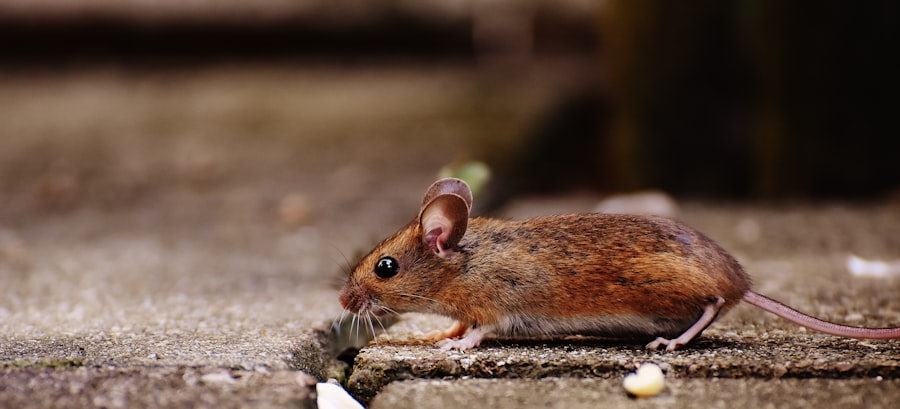
We often encounter the common house mouse. These small, agile creatures can contaminate food, gnaw through electrical wiring – a very real fire hazard – and transmit diseases such as salmonella and hantavirus. Their droppings, often resembling tiny black grains of rice, are a key indicator of their presence. They are social creatures, so where you find one, you will likely find more.
Rats (Rattus norvegicus and Rattus rattus)
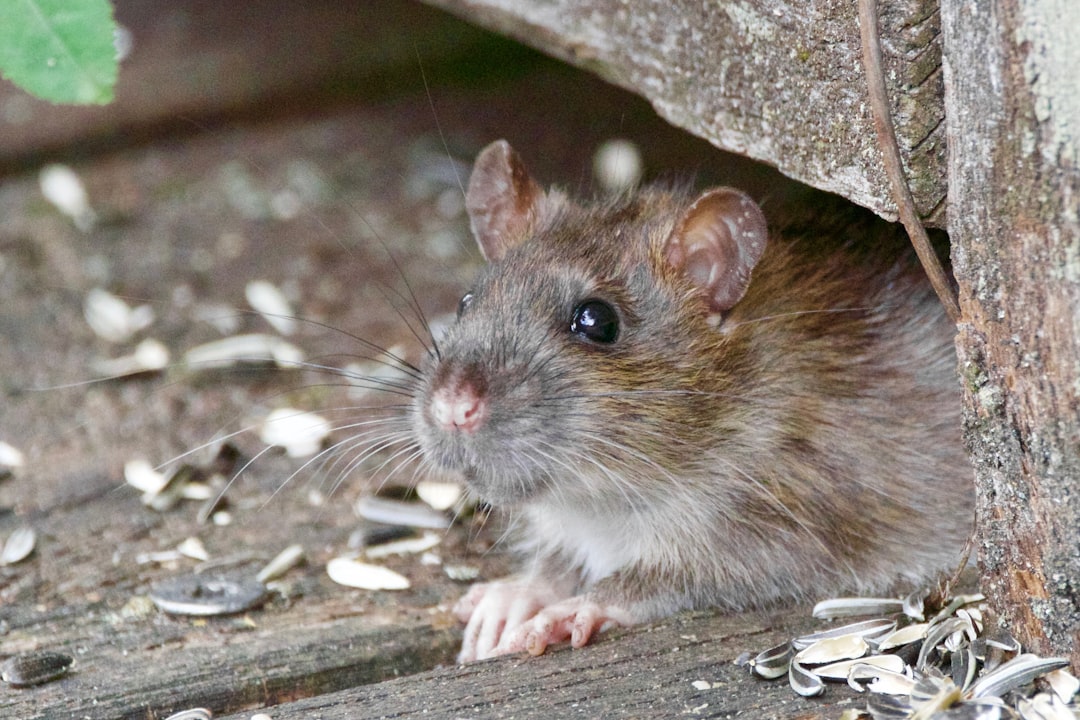
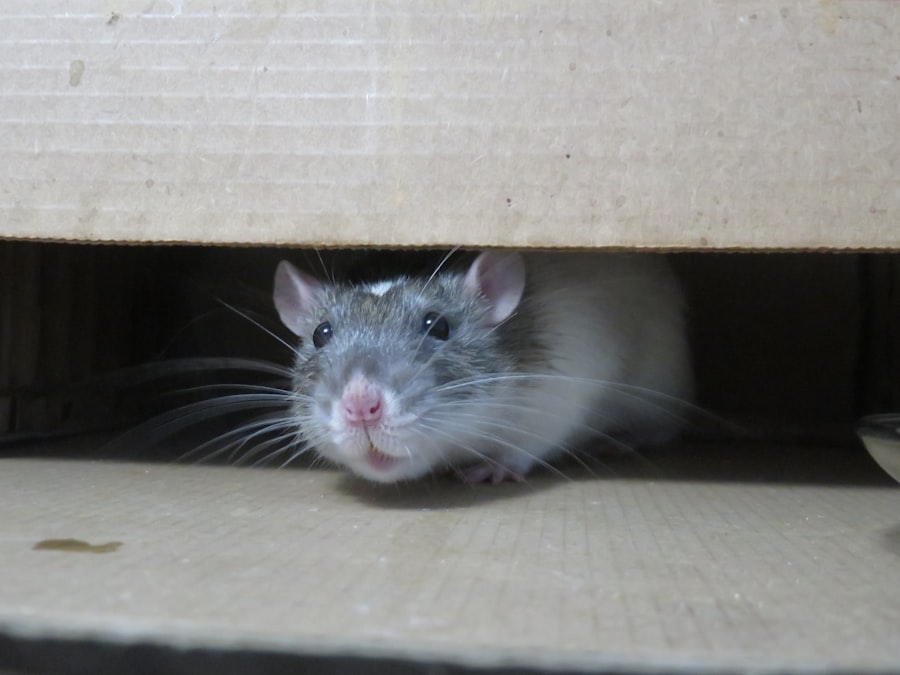
We primarily deal with the Norway rat (brown rat) and, less commonly, the roof rat (black rat). Norway rats are larger and prefer to burrow, often found in basements, sewers, and ground-level areas. Roof rats are more agile climbers and favour higher structures like attics and upper floors. Both species pose significant health risks, acting as vectors for diseases like leptospirosis, plague, and typhus. We often observe gnaw marks, greasy rub marks along walls, and larger droppings as signs of a rat infestation.
Insects: A Multitude of Invaders
The insect world presents a vast and varied challenge. From crawling to flying, biting to stinging, Toronto’s insect population demands our attention.
Cockroaches (Blattodea)
We predominantly encounter German cockroaches, followed by Oriental and American cockroaches. German cockroaches, with their rapid reproduction rate and ability to thrive in warm, humid environments, are a particular scourge in kitchens and bathrooms. They are notorious for contaminating food, spreading bacteria, and triggering allergies and asthma. Their presence often indicates a breakdown in sanitation or a pathway from an adjoining unit.
Bed Bugs (Cimex lectularius)
These nocturnal blood-feeders are a growing concern in Toronto, and we collectively refer to them as a modern plague. Bed bugs are experts at hiding in cracks and crevices, emerging at night to feed on unsuspecting hosts. Their bites, often appearing in lines or clusters, cause itchy welts and significant psychological distress. Eradicating bed bugs requires a meticulous and often multi-faceted approach. We find their presence dishearteningly common in high-traffic residential buildings.
Ants (Formicidae)
While generally less harmful than other pests, ant infestations can be incredibly annoying. We commonly encounter pavement ants, carpenter ants, and odorous house ants. Pavement ants typically forage for sweets and greasy foods in our kitchens. Carpenter ants, on the other hand, excavate wood to create nests, potentially compromising structural integrity. Understanding the ant species often dictates the most effective removal strategy. For example, we find that targeting the nest is crucial for carpenter ants.
Wasps and Hornets (Vespidae)
When summer arrives, so do stinging insects like wasps and hornets. These can pose a significant threat, especially to individuals with allergies. We often find their nests under eaves, in attics, or within dense vegetation. A wasp nest is like a living fortress, and approaching it without proper knowledge or equipment can lead to painful consequences.
Proactive Pest Prevention Strategies
Prevention is, without a doubt, the most effective and cost-efficient line of defense against pests. We often say that a good offense is a good defense when it comes to pest control. By implementing proactive measures, we can significantly reduce the likelihood of an infestation in our properties.
Sealing Entry Points: Fortifying the Perimeter
Pests are opportunists, always seeking weaknesses in our defenses. Our primary goal is to make our homes and businesses impenetrable fortresses.
Cracks and Crevices
We meticulously inspect foundations for cracks, paying close attention to gaps around pipes, utility lines, and dryer vents. Even small openings, as tiny as a quarter-inch, can serve as an open door for mice and insects. We advocate for sealing these with appropriate sealants, such as silicone caulk or steel wool for larger gaps.
Doors and Windows
We ensure that all doors and windows have tight-fitting screens and that weather stripping is intact. Gaps under doors are classic entry points for rodents and crawling insects. We recommend installing door sweeps to eliminate these vulnerabilities. Loose screens are invitations for flies and mosquitoes to enter our sanctuaries.
Roof and Attic Access
We often overlook the roof, but it is a common entry point for rodents, squirrels, and raccoons. We regularly inspect shingles for damage and ensure that vents are properly screened. Damaged attic vents are like welcome signs for unwanted guests.
Sanitation and Housekeeping: The Foundation of Defense
A clean environment is fundamentally inhospitable to pests. We maintain that good sanitation is not just about aesthetics, but about removing food sources and harborage.
Food Storage
We store all food in airtight containers, including pet food. Leaving food out on counters, even for short periods, can attract pests. Crumbs and spills are often the first signals for many insects.
Waste Management
We use garbage bins with tight-fitting lids and regularly empty them. Outdoor bins should also be robust and sealed, preventing access by raccoons and other scavengers. Compost bins, while beneficial, need careful management to avoid attracting pests.
Eliminating Clutter
Clutter provides ideal hiding spots for pests. We organize storage areas, clear out old newspapers and boxes, and keep basements and attics tidy. A chaotic environment is a pest’s paradise.
Landscaping and Exterior Maintenance: Creating a Buffer Zone
The perimeter of our properties is often where the battle against pests begins. We need to create a buffer zone that discourages pests from even approaching our structures.
Trimming Vegetation
We keep trees and shrubs trimmed away from the exterior walls and roofline. Overhanging branches can act as bridges for rodents, squirrels, and ants to gain access to our homes. Vines growing directly on walls can also offer concealed pathways.
Managing Water Sources
Standing water is a magnet for mosquitoes and other insects. We ensure that gutters are clear, downspouts direct water away from the foundation, and bird baths are regularly cleaned. Leaky outdoor faucets can also provide essential hydration for various pests.
Firewood Storage
We store firewood away from the house and elevated off the ground. Firewood piles are prime real estate for spiders, carpenter ants, and rodents, and bringing them close to the house is akin to rolling out the red carpet.
Professional Pest Control: When to Seek Expert Help
Despite our best preventative efforts, infestations can sometimes take root. In these instances, we recognize the limitations of DIY solutions and the necessity of engaging professional pest control services. These professionals are not just exterminators; they are diagnosticians and strategists.
Identifying the Infestation: Beyond the Surface
A professional pest control technician possesses the expertise to accurately identify the pest species and assess the extent of the infestation. We often see the tip of the iceberg, but they can see the larger mass beneath the surface.
Accurate Diagnosis
Misidentification can lead to ineffective treatment. For instance, treating for carpenter ants when the problem is actually termites could have devastating consequences. Professionals are trained to distinguish between similar-looking pests and understand their biology.
Assessing Extent and Origin
They can trace pest pathways, locate hidden nests, and determine the source of the infestation. This comprehensive assessment is crucial for developing a targeted and lasting removal plan. We may see a few ants, but they can find the colony.
Specialized Treatment Methods: Targeted and Safe Solutions
Professional pest control services utilize a range of specialized tools and techniques that are often unavailable or too complex for the average homeowner.
Integrated Pest Management (IPM)
We often find that reputable companies employ Integrated Pest Management (IPM) principles. This approach emphasizes understanding the pest’s biology and environment to implement a combination of strategies, including biological control, habitat modification, and judicious use of pesticides, with minimal risk to humans, pets, and the environment. It is a smarter, more sustainable approach.
Targeted Application of Pesticides
When chemical treatments are necessary, professionals apply them strategically and safely. They use products that are registered and approved for residential use, and they understand the proper dosage and application methods to maximize effectiveness while minimizing exposure to non-target organisms. We acknowledge that improper use of pesticides can be more harmful than helpful.
Advanced Equipment
Professionals have access to specialized equipment such as thermal imaging cameras for locating hidden rodent nests, powerful vacuums for bed bug removal, and bait stations designed for specific pests that are inaccessible or impractical for homeowners.
Follow-Up and Monitoring: Ensuring Long-Term Success
Effective pest removal is rarely a one-time event. We understand that it requires ongoing vigilance and often, follow-up treatments.
Post-Treatment Inspections
Professional services typically include follow-up inspections to assess the effectiveness of the initial treatment and address any lingering pest activity. This ensures that the infestation has been thoroughly eradicated.
Monitoring and Prevention Advice
They provide valuable advice on long-term prevention strategies, helping us fortify our defenses against future invasions. They become our partners in maintaining a pest-free environment. For instance, after a bed bug treatment, their advice on laundering and encasing mattresses is invaluable.
Addressing Specific Toronto Challenges
Toronto, as a large, dynamic metropolitan area, presents unique pest control challenges that we actively confront. The density of our housing, the age of our infrastructure, and the constant flow of people and goods all contribute to a complex pest landscape.
Multi-Unit Dwellings: The Ripple Effect
In apartment buildings, condominiums, and townhouses, a single infestation can rapidly spread to neighbouring units. We often find that shared walls and utility conduits act as highways for pests.
Coordinated Efforts
Effective pest control in multi-unit dwellings requires a coordinated effort between residents, building management, and pest control professionals. We advocate for building-wide treatment plans to prevent re-infestation from adjacent units. A single unit treatment is often a temporary patch.
Resident Responsibility
We emphasize the importance of resident cooperation in maintaining cleanliness, reporting sightings promptly, and preparing units for treatment. Without collective effort, the battle is often uphill.
Seasonal Pests: Adapting to Nature’s Calendar
Our distinct seasons in Toronto bring with them a predictable cycle of pest activity. We must adapt our strategies to these natural rhythms.
Spring and Summer Surge
With warmer weather, we see an increase in activity from ants, wasps, mosquitoes, and rodents. This is the time when these creatures are most active and seeking food, water, and shelter for breeding. We prepare our defenses accordingly.
Autumn and Winter Invasions
As temperatures drop, pests like rodents, spiders, and even cluster flies seek refuge indoors, transforming our homes into their winter resorts. We focus on sealing entry points before the cold truly sets in.
The Importance of Environmental Responsibility
| Service | Average Response Time | Effectiveness Rate | Common Pests Treated | Customer Satisfaction |
|---|---|---|---|---|
| Ant Removal | 24-48 hours | 95% | Carpenter Ants, Pavement Ants | 4.7/5 |
| Rodent Control | 24 hours | 90% | Rats, Mice | 4.5/5 |
| Bed Bug Treatment | 48-72 hours | 85% | Bed Bugs | 4.6/5 |
| Termite Inspection & Removal | 72 hours | 92% | Subterranean Termites | 4.8/5 |
| Spider Control | 24-48 hours | 88% | Common House Spiders | 4.4/5 |
As we tackle pest problems, we also carry a responsibility to consider the environmental impact of our actions. We aim for efficacy without unnecessary harm.
Eco-Friendly Options
We increasingly seek out pest control services that offer eco-friendly options, such as botanical pesticides, heat treatments, and integrated pest management strategies that prioritize non-chemical solutions. Our goal is to minimize our ecological footprint.
Protecting Non-Target Species
We understand that indiscriminate use of pesticides can harm beneficial insects, pets, and wildlife. We emphasize the importance of targeted treatments and responsible product selection to protect the broader ecosystem. Our aim is precision, not blunt force.
In conclusion, effective pest removal in Toronto is a complex but manageable challenge. By understanding the common pests we face, implementing robust preventative measures, knowing when to engage professional expertise, and adapting to our city’s unique conditions, we can safeguard our homes and businesses. This is not merely about eliminating nuisances; it is about protecting our health, our property, and our peace of mind. We are all stakeholders in maintaining a pest-free Toronto, and through informed action and collective effort, we can achieve this goal.