When unwanted guests overstay their welcome, and those guests scurry, crawl, or buzz, disrupting our peace and potentially our health, we turn to the professionals. In Toronto, a city that pulsates with life and, unfortunately, harbors its share of unwelcome inhabitants, effective pest control isn’t just a convenience; it’s a necessity. We are here to provide a comprehensive overview of exterminator services in Toronto, presenting them not as magic wands, but as essential tools in maintaining the integrity and health of our living and working spaces.
Toronto, a sprawling metropolis, presents a diverse range of environments where pests can thrive. From the leafy enclaves of residential neighborhoods to the bustling commercial districts, the urban landscape offers a fertile ground for various species. Our inspectors often encounter a consistent pattern of pest activity that influences the strategies employed by extermination services. Understanding these patterns is the first step in grasping the extent of the challenge and the importance of professional intervention.
Common Culprits in the Greater Toronto Area
We frequently deal with a predictable cast of characters when called upon for pest control in Toronto. These include:
Rodents: The Silent Invaders
Mice and rats are particularly adept at navigating the urban environment, finding shelter and sustenance in the nooks and crannies of our buildings. Their presence is often indicated by gnaw marks on surfaces, droppings, and distinctive scurrying sounds behind walls. We understand that these creatures are not merely a nuisance; they can also spread diseases and contaminate food supplies, making their eradication a critical concern. Their ability to reproduce rapidly means that a small infestation can quickly escalate into a significant problem, a relentless tide that needs to be stemmed before it engulfs a property.
Insects: The Unseen Assemblage
The insect world presents a broader spectrum of challenges. We regularly address issues with:
Cockroaches: Masters of Adaptation
These resilient insects are infamous for their ability to survive and reproduce in a wide array of conditions. Their presence can be a sign of poor sanitation, but they can also infiltrate buildings seeking warmth and food. We observe that their nocturnal habits often make them difficult for residents to detect until the infestation is well established. Their sheer tenacity and rapid breeding cycle make them a formidable adversary.
Ants: The Persistent March
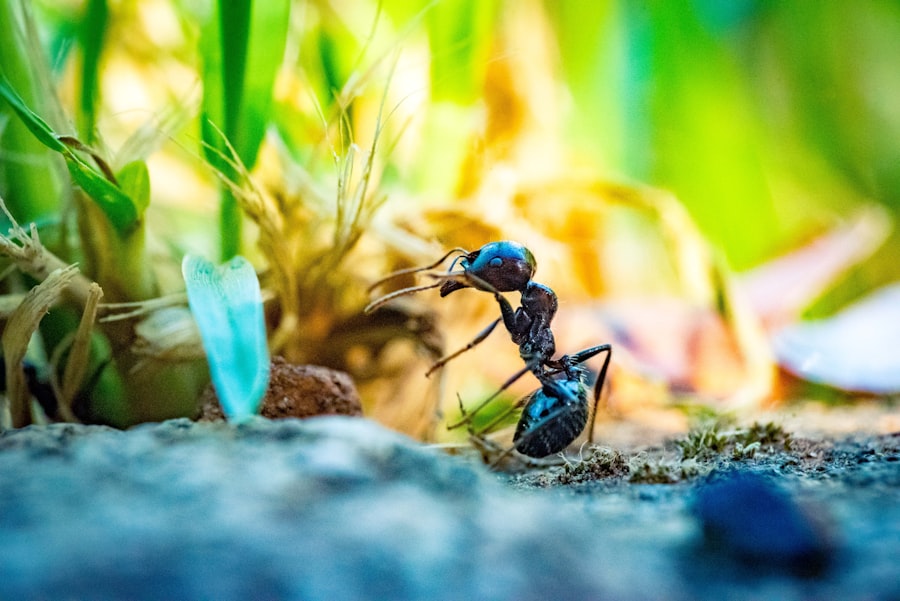
Ant infestations, whether carpenter ants that can damage wooden structures or common pavement ants seeking food, require precise identification and targeted treatment. We recognize that the trails left by ants are a testament to their organized nature and their relentless pursuit of resources, a tiny army marching with an unwavering purpose.
Bed Bugs: The Stealthy Scourge
Perhaps one of the most universally dreaded pests, bed bugs are notorious for their ability to hitchhike into homes and businesses, feeding on human blood. Their elimination is a complex and often lengthy process, demanding meticulous attention to detail and specialized treatments. We understand the significant distress and discomfort associated with bed bug infestations, turning our sanctuary into a battleground.
Other Common Pests
Beyond these prevalent species, we also encounter spiders, silverfish, earwigs, and pantry pests, each with its own unique behavior and destructive potential. Our diagnostic process involves identifying the specific species, as this dictates the most effective extermination strategy.
Environmental Factors Contributing to Pest Problems
Toronto’s environment plays a significant role in the prevalence of pests. We observe that:
Urban Density and Infrastructure
The high density of buildings and the intricate underground infrastructure, including sewer systems and subways, provide ample pathways and harborage for many pest species. The constant movement of people and goods within the city also facilitates the spread of pests.
Seasonal Variations
Just as we experience distinct seasons, so do the pests that inhabit our city. We note that pest activity often increases during warmer months, but some species, like rodents, can become more problematic indoors during colder weather as they seek refuge from the elements.
Food and Water Availability
The abundance of discarded food and accessible water sources, from overflowing bins to leaky pipes, creates an attractive environment for pests. Even seemingly minor spills or neglected areas can become a feast for these opportunistic creatures.
The Role of Professional Exterminators in Toronto
When faced with a pest infestation, the immediate instinct for many is to seek a quick fix. However, we have learned that for effective and lasting pest control, professional expertise is often indispensable. Exterminators are not simply sprayers of chemicals; they are trained technicians employing a multifaceted approach.
Integrated Pest Management (IPM): A Holistic Approach
We understand that the most effective pest control strategies are those that go beyond simple eradication. Integrated Pest Management (IPM) is our guiding philosophy, encompassing a range of techniques designed to prevent, monitor, and control pest populations with minimal risk to human health and the environment.
Prevention: Building a Fortified Defense
The first line of defense in IPM is prevention. We work with our clients to identify and address conditions that attract pests in the first place. This can include:
Sealing Entry Points
We meticulously inspect properties for potential entry points, such as cracks in foundations, gaps around pipes and wires, and damaged window screens. Sealing these vulnerabilities is like reinforcing the walls of a castle against an approaching army.
Sanitation and Waste Management Advice
Proper sanitation is paramount. We provide guidance on effective waste disposal, regular cleaning routines, and reducing clutter, all of which deny pests food and shelter.
Habitat Modification
Understanding the specific needs of different pests allows us to advise on modifying the environment to make it less hospitable. This might involve trimming vegetation away from the building or ensuring proper drainage.
Identification and Assessment: Precisely Diagnosing the Problem
Before any treatment is applied, a thorough identification and assessment are crucial. We understand that misidentification can lead to ineffective treatments and wasted resources.
Species Identification
Accurate identification of the pest species is the cornerstone of effective treatment. We utilize our knowledge to distinguish between different types of insects, rodents, and other pests, as each requires a tailored approach.
Infestation Level Assessment
We assess the severity of the infestation, determining the extent of the problem and identifying core areas of activity. This informs the intensity and nature of the treatments required, ensuring we deploy our resources with precision.
Risk Assessment
We evaluate the potential risks associated with the infestation, including health hazards, structural damage, and potential for further spread. This helps us prioritize our efforts and communicate the urgency to our clients.
Treatment Strategies: Targeted and Effective Solutions
Once a thorough assessment has been completed, we employ a range of treatment strategies, choosing the most appropriate methods for the specific pest and situation.
Chemical Treatments: Judicious Application
When chemical treatments are necessary, we employ them judiciously, prioritizing targeted applications. We understand the importance of using the least toxic effective option, minimizing exposure to residents and pets. This can involve:
Baits and Traps
For rodents and certain insects, baits and traps are often highly effective, drawing pests to specific locations where they can be safely eliminated.
Sprays and Dusts
Targeted application of insecticidal sprays or dusts can be used to treat specific areas where pests are active, such as cracks, crevices, and harborage points.
Fumigation
In severe cases of certain infestations, such as wood-destroying insects or some types of stored product pests, fumigation may be the most effective, albeit more intensive, solution.
Non-Chemical Treatments: Innovative Alternatives
We also utilize a growing array of non-chemical treatment options, reflecting a commitment to environmentally conscious pest control. These can include:
Heat Treatments
For bed bugs and some other insect pests, heat treatments can be a highly effective, chemical-free method of eradication, raising the temperature of an infested area to lethal levels for the pests.
Mechanical Controls
This encompasses a range of physical methods, such as vacuuming, sealing, and exclusion, which can be very effective in conjunction with other treatments or as a preventative measure.
Biopesticides and Natural Repellents
We explore and utilize biopesticides derived from natural sources and natural repellents where appropriate, offering an alternative to synthetic chemicals.
Monitoring and Follow-Up: Ensuring Long-Term Success
Our commitment doesn’t end with the initial treatment. We understand that effective pest control is an ongoing process.
Regular Inspections
We conduct regular inspections to monitor for any signs of recurring pest activity and to ensure the treatments have been successful. This proactive approach helps catch potential problems before they re-emerge as a full-blown infestation.
Re-treatment and Adjustments
Based on monitoring results, we may recommend follow-up treatments or adjustments to the initial strategy to ensure complete eradication and prevent future issues.
Why Choose Professional Extermination Services in Toronto?
The decision to call in professional exterminators is often driven by a need for effective, efficient, and safe solutions. We understand the hesitations some individuals may have, whether due to cost, perceived complexity, or a desire for DIY solutions. However, the benefits of professional services are substantial.
Expertise and Experience: Knowing the Enemy
We possess a profound understanding of pest behavior, life cycles, and the most effective control methods. This deep knowledge is not easily replicated by individuals with limited experience. We see ourselves as detectives, deciphering the clues left behind by our adversaries.
Access to Advanced Tools and Treatments
Professional exterminators have access to specialized equipment and a wider range of treatment options, including formulations that are not available to the general public. This allows for more precise targeting and more potent, yet safe, applications.
Safety and Health Considerations
We prioritize the safety of our clients, their families, and their pets. Our technicians are trained in the safe handling and application of pesticides, ensuring that treatments are carried out in accordance with strict protocols. We understand that an improperly applied pesticide can be more dangerous than the pest itself.
Time and Cost-Effectiveness
While there is an upfront cost, professional pest control can often be more cost-effective in the long run. A DIY approach that fails to address the root cause or uses ineffective methods can lead to repeated attempts, escalating costs, and continued damage. We aim to solve the problem definitively, saving you time, money, and stress.
Peace of Mind
Perhaps one of the most significant benefits is the peace of mind that comes with knowing your home or business is free from pests. We alleviate the stress and anxiety associated with infestations, restoring comfort and security to your environment.
The Process of Hiring an Exterminator in Toronto
Navigating the process of hiring an exterminator might seem daunting, but we aim to make it as straightforward as possible. Our goal is transparency and efficiency from the initial contact.
Initial Consultation and Assessment
The process typically begins with an initial consultation, either over the phone or through an on-site visit. We will ask questions about the nature of your pest problem to get a preliminary understanding. This is where we begin our diagnostic investigation.
Inspection and Diagnosis
A thorough inspection of your property is then conducted by one of our trained technicians. This involves identifying the pest species, determining the extent of the infestation, and assessing potential entry points and harborage areas.
Treatment Plan Development
Based on the inspection findings, we will develop a customized treatment plan. This plan will outline the recommended methods, the anticipated timeline, and any necessary preparations on your part. We believe in empowering our clients with knowledge.
Treatment Application
| Exterminator Service | Response Time | Customer Rating (out of 5) | Common Pest Treatments | Service Area |
|---|---|---|---|---|
| Toronto Pest Control | Same day | 4.7 | Rodents, Cockroaches, Bed Bugs, Ants | Greater Toronto Area |
| Bug Busters Toronto | Within 24 hours | 4.5 | Termites, Spiders, Wasps, Fleas | Toronto and Surrounding Suburbs |
| Eco Exterminators | Next day | 4.8 | Bed Bugs, Ants, Rodents, Silverfish | Toronto Metro Area |
| Rapid Pest Solutions | Same day | 4.6 | Rodents, Cockroaches, Termites, Ants | Toronto and GTA |
| Green Shield Pest Control | Within 48 hours | 4.4 | Bed Bugs, Fleas, Wasps, Spiders | Toronto and Nearby Areas |
Once the plan is agreed upon, our technicians will carry out the treatment. We will explain the process, inform you of any safety precautions that need to be taken, and answer any questions you may have.
Follow-Up and Monitoring
After the initial treatment, we will schedule follow-up visits to monitor the effectiveness of the methods used and to ensure that the pest problem has been resolved. This iterative process is key to long-term success.
Specific Pest Concerns in Toronto and Exterminator Solutions
Toronto’s diverse urban landscape gives rise to specific pest challenges. We have developed specialized strategies for dealing with these prevalent issues.
Rodent Control: A Persistent Battle
Rodents are a constant concern in Toronto, especially during the colder months. We understand that effective rodent control requires a multi-pronged approach.
Trapping and Baiting Strategies
We employ a combination of trapping methods, including snap traps, live traps, and glue traps, strategically placed in rodent pathways. Baiting stations, containing rodenticides, are used with extreme caution to ensure safety for non-target animals and humans.
Exclusion and Rodent-Proofing
A crucial aspect of rodent control is exclusion. We seal off entry points, repair damaged structures, and advise on landscaping practices that can deter rodents from approaching the building. This is akin to building a impenetrable fortress.
Sanitation and Environmental Modification
We educate our clients on the importance of proper waste management, food storage, and reducing clutter, all of which minimize attractants for rodents.
Bed Bug Elimination: A Rigorous Undertaking
Bed bug infestations are a significant challenge due to their cryptic nature and resilience. We recognize that a comprehensive and aggressive approach is necessary.
Thorough Inspections and Detection
Our technicians are trained to identify the tell-tale signs of bed bugs, including live insects, shed skins, fecal spots, and blood stains, often in the most unexpected places.
Integrated Treatment Methods
We utilize a combination of methods, including heat treatments, steam treatments, and targeted application of residual insecticides, to ensure all life stages of the bed bug are eliminated. This is a meticulous campaign, leaving no stone unturned.
Client Education and Preparation
We provide detailed instructions to clients on how to prepare their homes for bed bug treatment, including washing and drying infested items, and we educate them on how to prevent re-infestation.
Ant and Cockroach Management: Targeting the Colonies
Ant and cockroach infestations require identifying the source of the infestation and disrupting their colonies.
Identification and Source Location
We meticulously inspect kitchens, bathrooms, and other areas where ants and cockroaches are commonly found to locate their nests and trails.
Targeted Gel Baits and Insecticides
We utilize highly effective gel baits that ants and cockroaches carry back to their colonies, effectively eliminating the entire population. Targeted insecticide applications are used for more severe infestations.
Sanitation and Exclusion Advice
We emphasize the importance of removing food sources, sealing food packaging, and repairing structural damage that allows these pests to enter and thrive.
The Future of Pest Control in Toronto
As our understanding of pest behavior and the impact of our interventions evolves, so too does the field of pest control. We are committed to staying at the forefront of these advancements.
Environmentally Friendly Solutions
We are continuously exploring and integrating more environmentally friendly and sustainable pest control methods. This includes a greater reliance on biological controls, advanced non-chemical treatments, and reduced use of traditional pesticides where feasible.
Technological Advancements
Technology is playing an increasingly important role. We are exploring and implementing tools such as advanced imaging for inspections, smart monitoring systems for early detection, and more precise application technologies.
Integrated Prevention Programs
Our focus is shifting even more towards proactive prevention. We aim to build long-term partnerships with our clients, offering comprehensive programs that minimize the likelihood of future infestations, rather than simply reacting to existing problems.
In conclusion, while Toronto is a vibrant city, it is also a habitat shared with various pests. Recognizing their presence and understanding the need for professional intervention is the first step towards a pest-free environment. We, as exterminators in Toronto, are here to provide the ultimate solution, a carefully orchestrated strategy of identification, treatment, and prevention, ensuring the health, comfort, and integrity of your living and working spaces. We are the guardians of your sanctuary, working diligently to keep the unwelcome at bay.